

Harvard researchers, in collaboration with MIT and QuEra Computing, have demonstrated an integrated architecture for scalable Fault-Tolerant Quantum Computing (FTQC) using 448 atomic quantum bits. The work, published in the journal Nature, demonstrated a system capable of detecting and removing errors below a critical threshold by combining all essential elements for error-corrected quantum computation for the first time.
The key technical achievement lies in the successful integration of multiple complex protocols on a single neutral atom platform (rubidium atoms). The system employed specific mechanisms, including physical entanglement, logical entanglement, logical magic (for universal computation), and entropy removal (to suppress errors). This integration successfully suppresses errors below a critical threshold, crossing the point where adding more qubits further reduces the error rate.
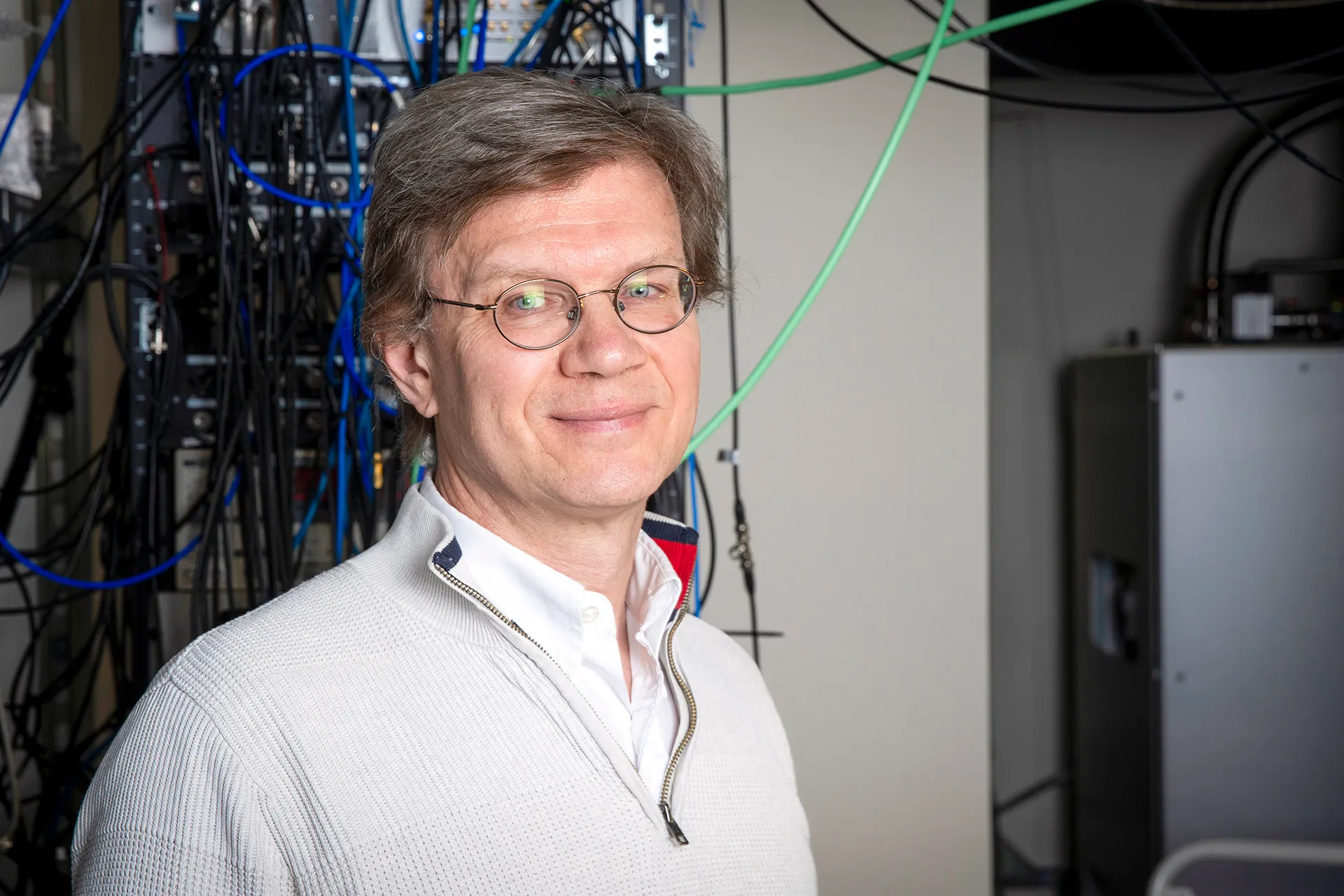
The research is positioned as creating the “scientific foundation for practical large-scale quantum computation,” validating an architecture that is fundamentally scalable. The effort was jointly led by Mikhail Lukin and Markus Greiner from Harvard and Vladan Vuletić from MIT. The research received federal funding from multiple agencies, including the Defense Advanced Research Project Agency (DARPA), the Department of Energy (DOE), and the National Science Foundation (NSF).
Read the full announcement from Harvard here and access the Nature paper here.
In GQI Portal
The players behind the news
The team that writes QCR tracks every company, deal and technology in the GQI Factory, GQI's verified database of the quantum industry. Next up: every story linked to its players, coming to QCR's paid plans.
- Players Companies and institutions across the quantum industry, by segment.
- Scorecards How the players compare on hardware, software, funding and more.
Newsletter
QCR Alerts in your inbox
The latest reporting and analysis from Quantum Computing Report. Free, unsubscribe any time.