Qnalysis
Quantum Technology Analysis: reviews of new technical announcements and papers, and what they mean for the industry.
-
-
The Two-Century Path That Made Quantum Computing Inevitable
Guest contributor Areeha Tunio describes how quantum is fundamentally different from all previous computing frameworks and mentions some of the engineering activities taking place to move the field from demonstration to disciplined systems engineering.
-
-
-
AI Coding Assistants are Getting Smarter
Last year, we published an article titled Quantum SDKs are Dying, Long Live Quantum AI SDK describing how the classical computing concept of "Vibe Coding" is entering the quantum programming space.
-
-
-
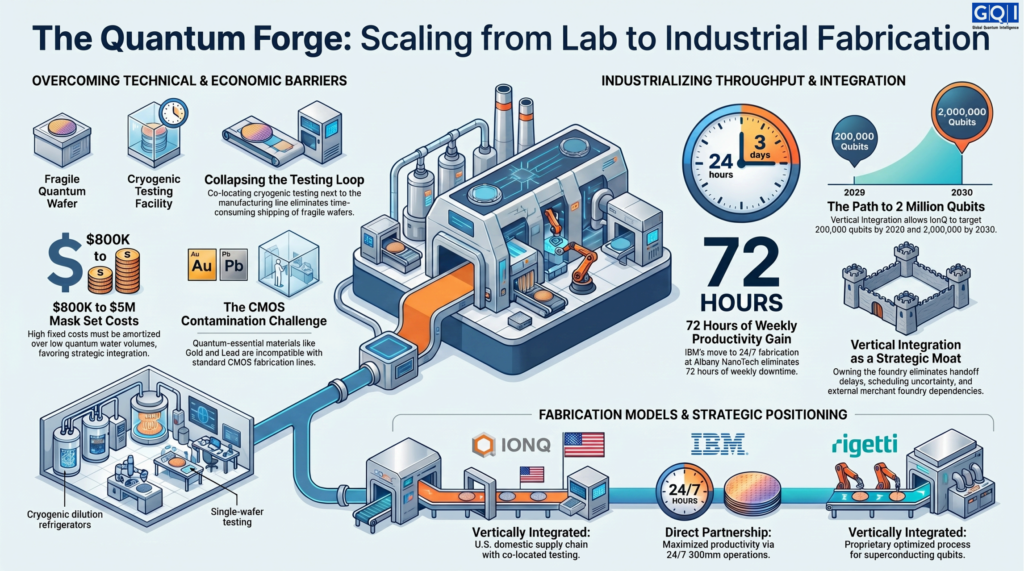
Manufacturing Throughput, Iteration Speed, and the Economics of Fabrication
Moving to standard CMOS wafer manufacturing is very helpful for certain modalities but not all. The real competitive advantages come from fabrication throughput—measured in wafers per hour (WPH)—and cycle time (i.e.
-
-
-
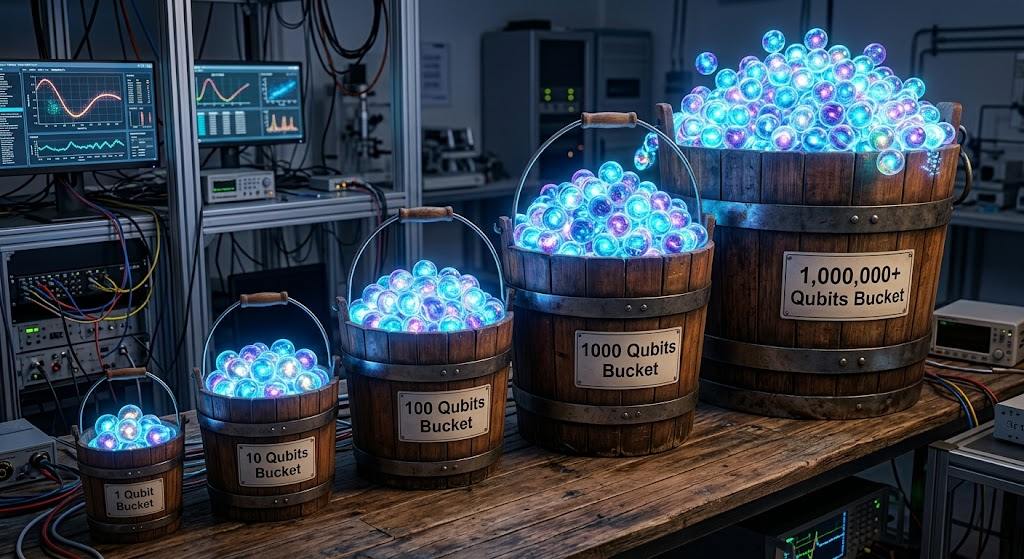
How Many Qubits Does a Quantum Computer Need?
Guest post by Zeynep Koruturk, Dr.
-
-
-
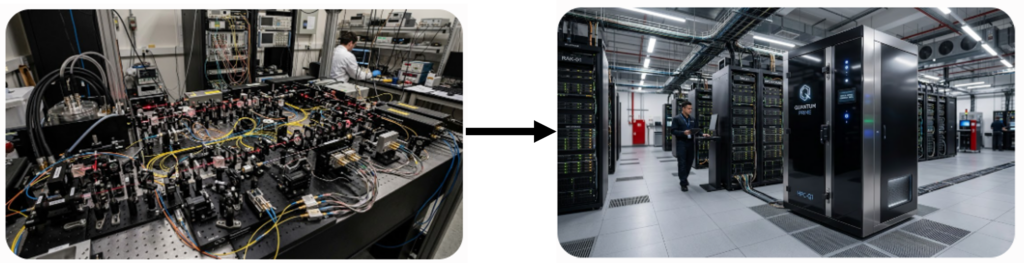
What Changes as Quantum Computing Moves from Prototypes to Commercial Production
When I was a junior mainframe computer engineer at IBM, management constantly drilled one core concept into us: RAS: Reliability, Availability, and Serviceability. This principle remains just as vital today as it was back then.
-


Newsletter
QCR Alerts in your inbox
The latest reporting and analysis from Quantum Computing Report. Free, unsubscribe any time.
-
-
Beyond a Single Quantum Chip: Why the Future of Quantum Computing is Modular
Guest Post by Zeynep Koruturk, Dr. Kris Naudts, and Donald Harmitt of Firgun Ventures For years, the headline metric in quantum computing has been a simple one: how many qubits can a company fit onto a single chip.
-
-
-
IonQ Details “Walking Cat” Blueprint for Fault-Tolerant Trapped-Ion Systems
In a comprehensive architectural series, IonQ has detailed the "Walking Cat" blueprint, a complete engineering specification for a fault-tolerant quantum computer (FTQC) utilizing trapped-ion technology.
-
-
-
The Road to Practical Quantum Advantage: Science Experiment or Reality?
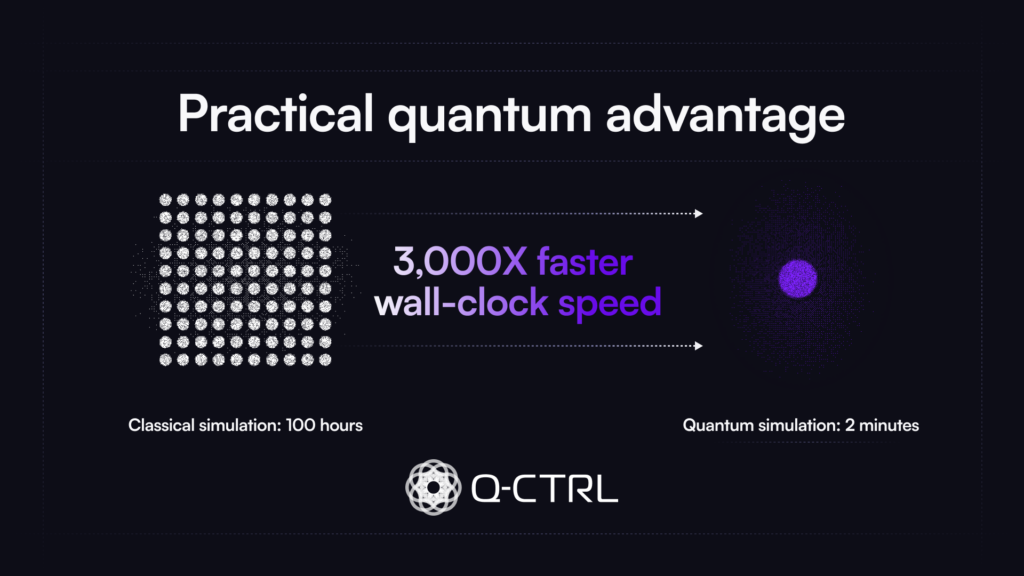
One pervading question in quantum computing has been whether commercially useful quantum advantage can be achieved with early, near-term devices — referred to as the kiloquop era by Global Quantum Intelligence (GQI).
-
-
-
From One-Off to Industrial: Why Standardized Processes Matter for Quantum Hardware
Quantum hardware is transitioning from academic fabrication to industrial manufacturing. Semiconductor standardized, and therefore highly optimized, processes enable consistency unobtainable with academic academic R&D style fabrication.
-
-
-
Tantalising Lasers – Importance of Tantalum in the Supply Chain
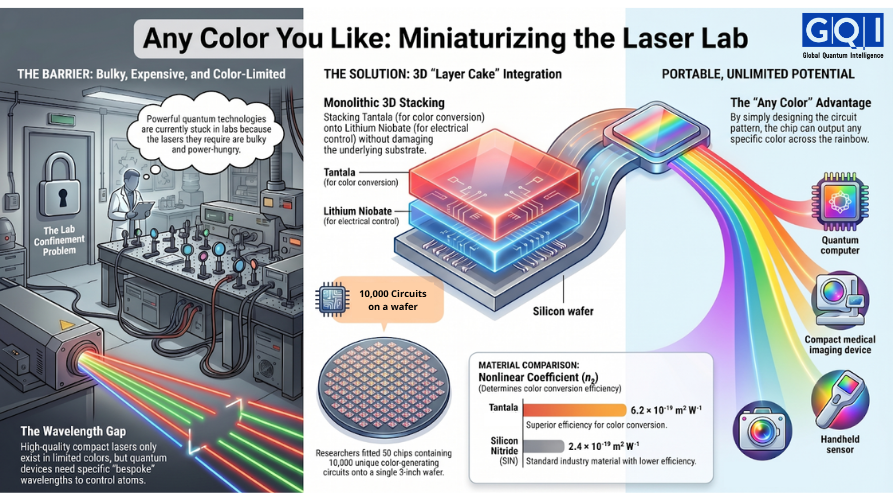
The National Institute of Standards and Technology (NIST) recently demonstrated a significant advance in integrated photonics, effectively compressing what has traditionally been a laboratory-scale laser system into a chip-scale platform.
-
-
-
Using Digital Twin Methods to Accurately Simulate Quantum Error Correction
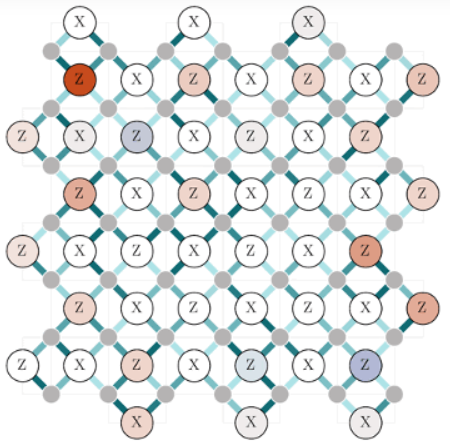
A collaboration between Quantum Elements Inc., USC, Harvard, and AWS addresses a critical bottleneck: traditional classical simulations of Quantum Error Correction (QEC) are either too slow to be realistic or too simplified to capture the complex "noise"…
-
The Decryption Threshold — Re-estimating the Quantum Threat to Blockchain Infrastructure
Recent technical disclosures from Google Quantum AI and the newly emerged Oratomic have provided updated resource estimates for executing Shor’s algorithm against the secp256k1 elliptic curve.
-
-
-
Resource Estimates for Quantum Discrete Logarithm Computations on 256-bit Elliptic Curves
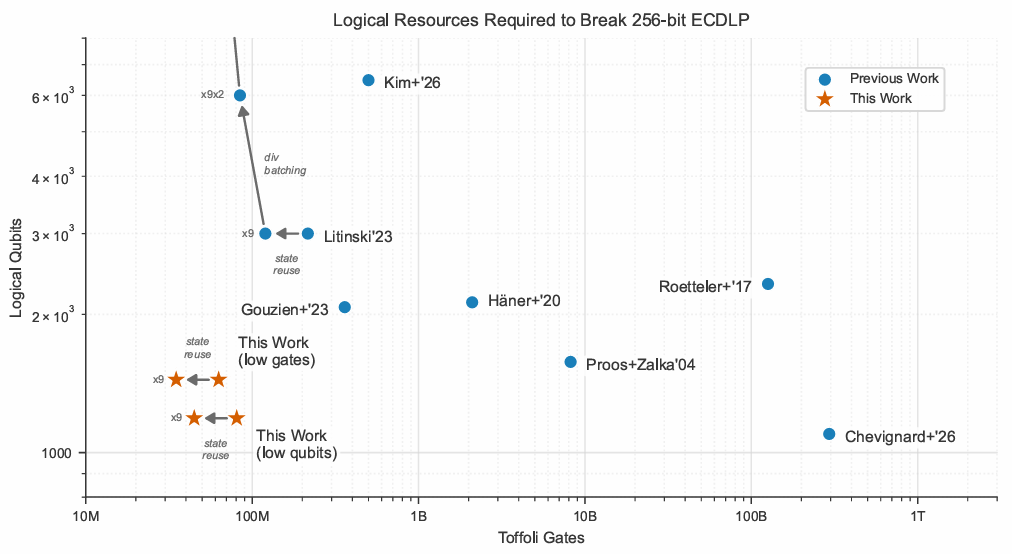
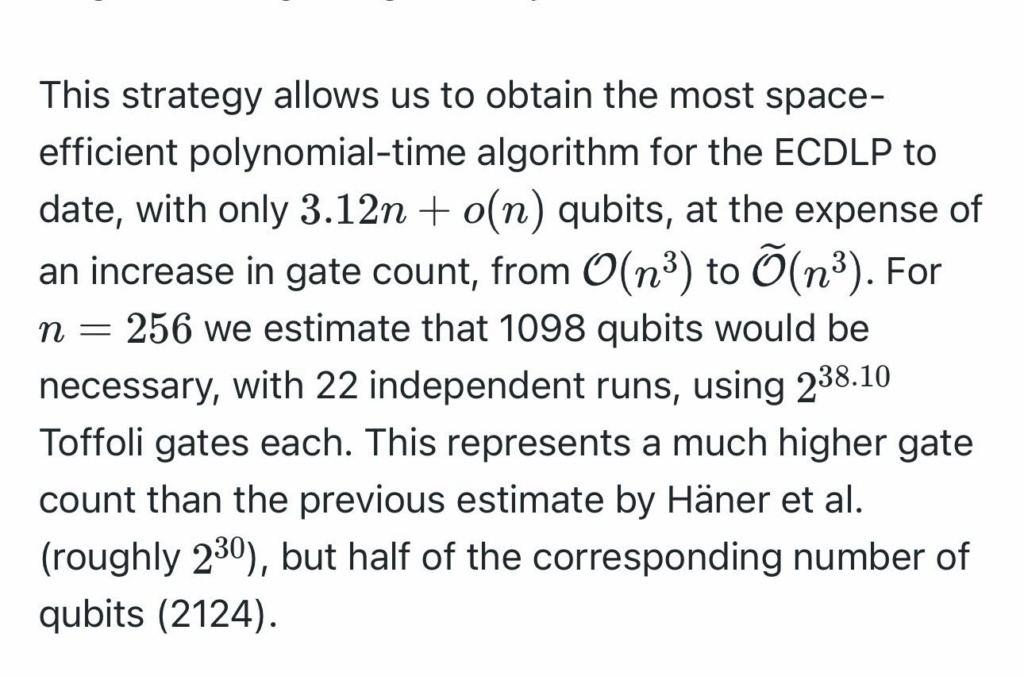
A new technical paper for EUROCRYPT 2026 demonstrates that solving the Discrete Logarithm problem on 256-bit elliptic curves requires only 1,098 logical qubits, down from previous estimates of 2,124. This reduction is achieved through a space-optimized implementation of Shor’s algorithm that utilizes Legendre symbol output compression and a Residue Number System. While this approach significantly lowers the qubit threshold, it increases the total gate count to approximately 238.10 Toffoli gates. This trade-off provides a specialized path for executing cryptanalytic attacks on early, qubit-constrained fault-tolerant hardware.
-
-
-
Shor, QLDPC Codes, and the Compression of RSA-2048 Resource Estimates (Part II)
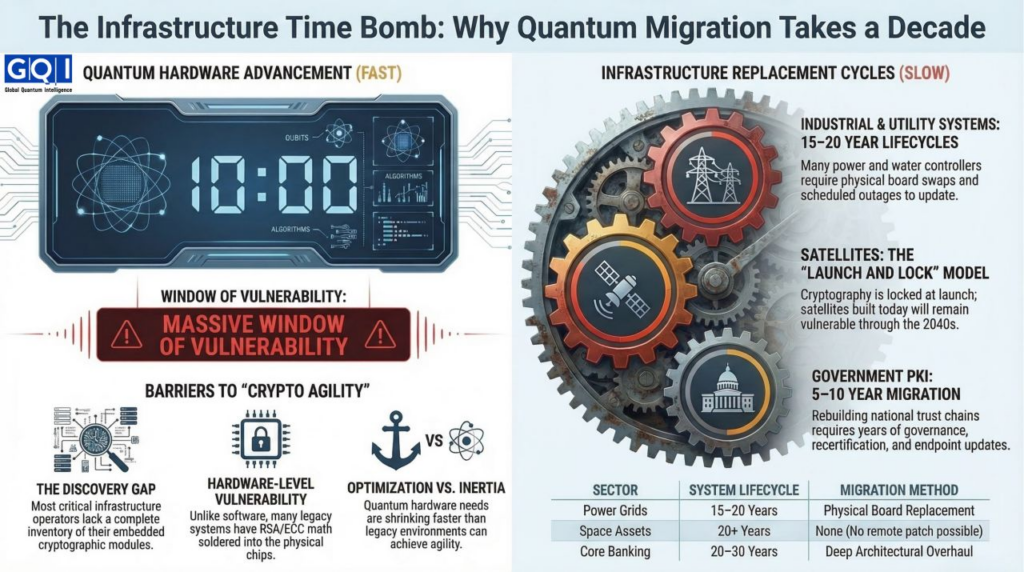
If Shor's algorithm can be executed at scale, RSA and ECC-based systems are vulnerable. But migrating cryptographic systems cannot happen overnight.
-
-
-
Shor, QLDPC Codes, and the Compression of RSA-2048 Resource Estimates (Part I)
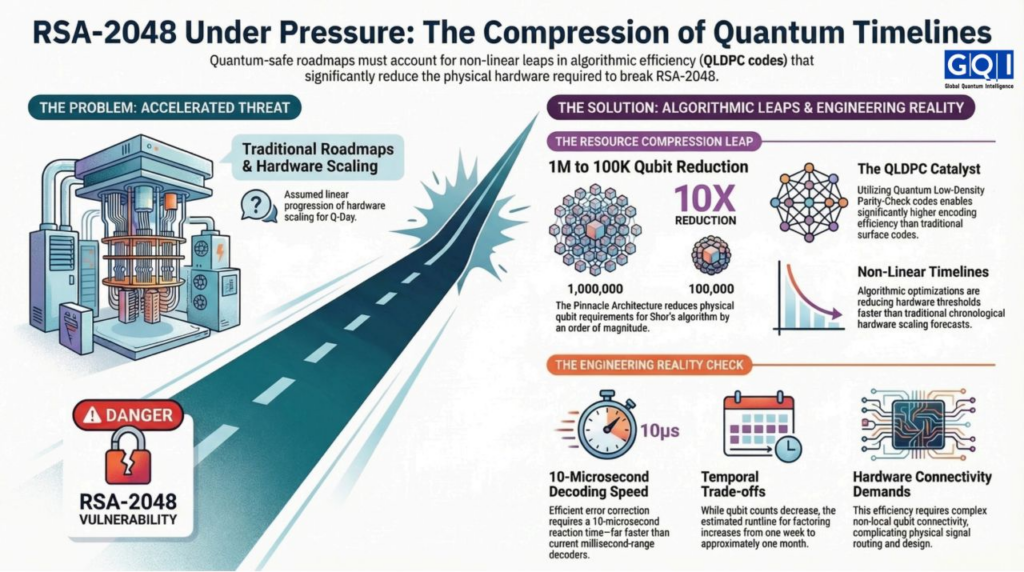
Does institutional risk modeling account for non-linear improvements in error-correction efficiency, or has the timeline for a cryptographically relevant quantum computer (CRQC) narrowed beyond existing forecasts?
-
-
-
Beyond the Qubit: Navigating Quantum Computing Roadmaps and Challenge Pathways
I've had this conversation with a number of people recently and wanted to share a simplified 'thought of the day' from how we think about quantum computing roadmaps at Global Quantum Intelligence, LLC.
-
-
-
Three Quantum Computing Hardware Acquisitions – What’s Behind Them?
In the recent months, we have reported on three quantum hardware acquisitions including IonQ/Oxford Ionics in September, Google/Atlantic Quantum in October, and just this week D-Wave/Quantum Circuits Inc.
-
-
-
Quantum Molecular Structure Encoding: A Breakthrough in Computational Chemistry
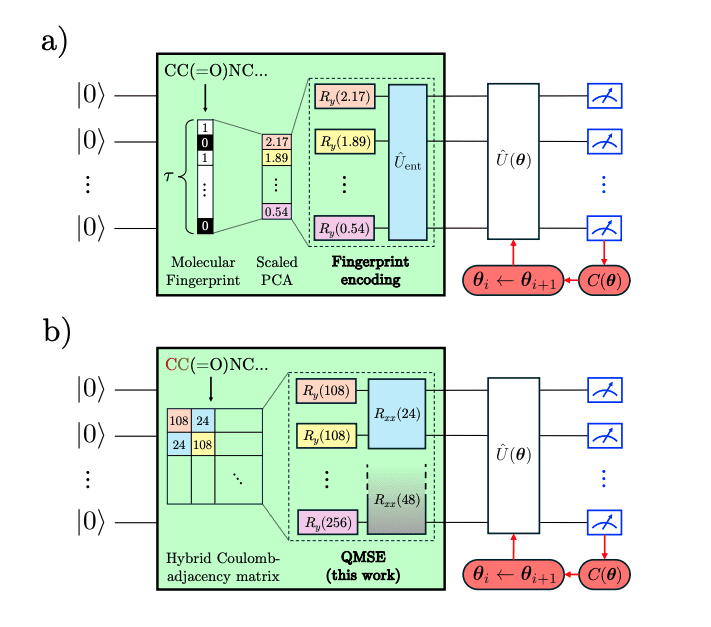
Quantum machine learning (QML) is a powerful tool for analyzing complex chemical data, potentially revolutionizing drug discovery and materials science. A key challenge is encoding molecular structures into quantum states effectively.
-
-
-
A Tale of Two Semiconductor Companies
Several quantum companies are discussing a strategy for building quantum computers that leverages the trillions of dollars in investments made by semiconductor manufacturers over the past 75 years.
-
-
-
Recommended Reading: A Framework for Quantum Advantage
IBM and quantum startup Pasqal have released a new white paper on arXiv, titled A Framework for Quantum Advantage. This document provides a comprehensive framework for defining, validating, and achieving quantum advantage.
-
-
-
Quantum Vendors Are Locked in a High-Volume Qubit Arms Race. It’s the Wrong Race to Run
by Ray Smets, President & CEO and Andrei Petrenko, Head of Product, Quantum Circuits, Inc. This year we’ve seen a number of new and updated roadmaps released by some high-profile quantum hardware vendors.
-
-
-
-
-