

Australian headquartered quantum hardware company Diraq has opened its office in Palo Alto as part of its U.S. growth strategy. The office will serve as a key hub for product development and developing ecosystem partnerships. The company indicated it is planning further expansion with an additional offices in the Los Angeles area as well as operations in Chicago.
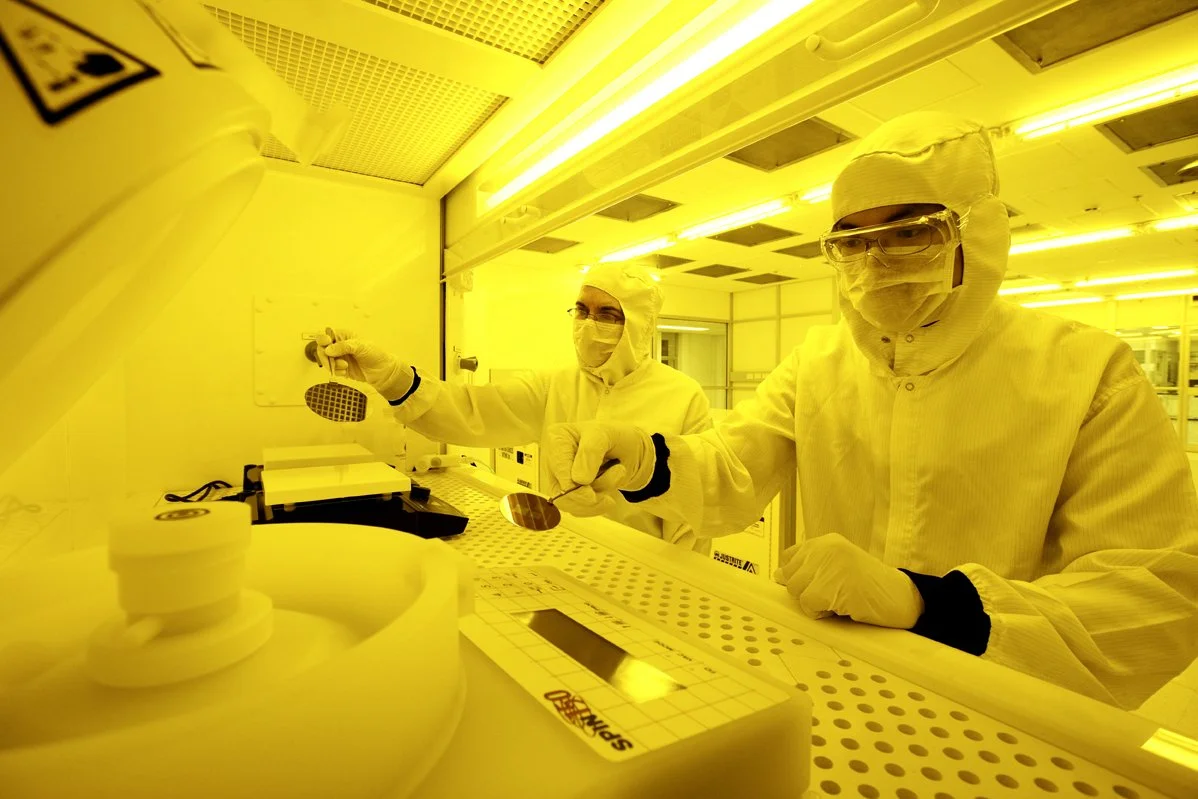
The company’s architecture utilizes silicon spin qubits (quantum dots) fabricated via standard Complementary Metal-Oxide-Semiconductor (CMOS) processes on 300mm wafers. This approach enables the high-density integration of quantum and classical control electronics on a single silicon chip. Diraq’s qubits operate at a temperature of approximately 1 Kelvin, which is significantly higher than the millikelvin requirements of superconducting qubits, thereby reducing the complexity and energy requirements of the necessary cryogenic cooling systems. Diraq’s technical roadmap targets the delivery of an initial quantum computer by 2029, with a goal of reaching utility-scale performance by 2033. The platform is engineered to support millions of qubits on a single chip, with projected manufacturing costs of less than one dollar per qubit.
The company recently signed a letter of intent with the U.S. Department of Commerce to receive a $38 million funding investment under the Chips and Science Act to support the scaling and production of their fault-tolerant silicon quantum computing processors. The were also part of the group that was moved late last year to Stage B of DARPA’s Quantum Benchmarking Initiative (QBI).
A press release with Diraq’s announcement of this U.S. expansion has been posted on their website here.
June 18, 2026
In GQI Portal
The players behind the news
The team that writes QCR tracks every company, deal and technology in the GQI Factory, GQI's verified database of the quantum industry. Next up: every story linked to its players, coming to QCR's paid plans.
- Players Companies and institutions across the quantum industry, by segment.
- Scorecards How the players compare on hardware, software, funding and more.
Newsletter
QCR Alerts in your inbox
The latest reporting and analysis from Quantum Computing Report. Free, unsubscribe any time.