
Author: Mohamed Abdel-Kareem
-
-
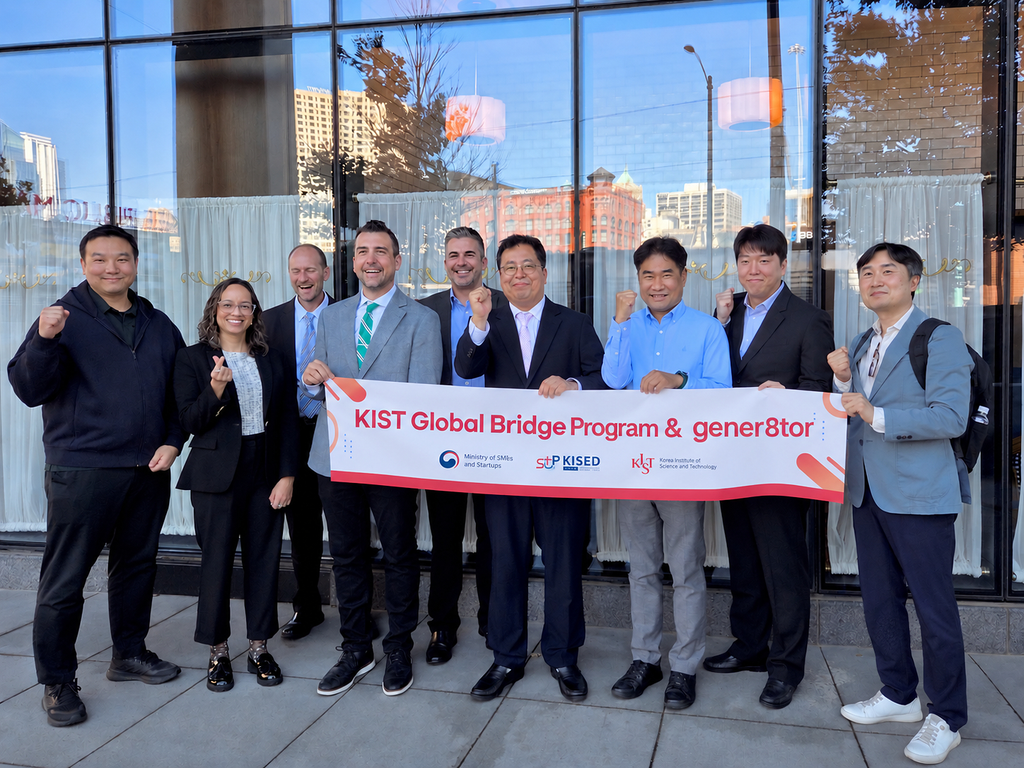
KIST Connects South Korean Quantum Startups to Midwest Ecosystem Across Wisconsin and Chicago
Four South Korean quantum startups, as part of the KIST Global Bridge Program, expanded their U.S. commercial strategy across Wisconsin and Illinois after Quantum World Congress 2026. The delegation engaged with various organizations to foster cross-border technology partnerships and market entry. This initiative is part of South Korea’s Deeptech Incubator Project for Startups (DIPS).
-
Pasqal Transitions €50 Million Q-PLANET Pilot Line into Execution Phase for European Neutral-Atom Chips
Pasqal has launched the operational phase of Q-PLANET, a €50 million initiative to develop a European supply chain for neutral-atom quantum computing chips. Leading a 28-partner consortium, Pasqal aims to industrialize chip-scale components, including integrated laser sources and atom chips, over three years. This project will standardize manufacturing processes to accelerate the deployment of quantum technologies in Europe.
-
SEALSQ Leads $10 Million PIPE Investment in WISeSat to Accelerate Post-Quantum Space Cybersecurity Infrastructure
SEALSQ has invested $10 million in WISeSat.Space through a PIPE financing, acquiring shares at $10.79 each. This investment, completed on October 1, 2026, aims to accelerate the deployment of WISeSat.Space’s LEO satellite constellation and integrate SEALSQ’s post-quantum cybersecurity infrastructure. Both companies operate as subsidiaries of WISeQey Corp, with the collaboration focusing on securing satellite-to-terrestrial IoT data links against future quantum computing threats.
-
Infleqtion, Honeywell Aerospace, and UC Santa Barbara Develop Chip-Scale Silicon Nitride Optical Cavity for Handheld Quantum Hardware
Infleqtion, in partnership with Honeywell Aerospace and UC Santa Barbara, has developed a chip-scale silicon nitride optical cavity. This prototype aims to miniaturize lasers and optical stabilization systems for quantum hardware. This innovation enables volume manufacturing and paves the way for field-deployable quantum systems like atomic timing devices and compact quantum computers.
-
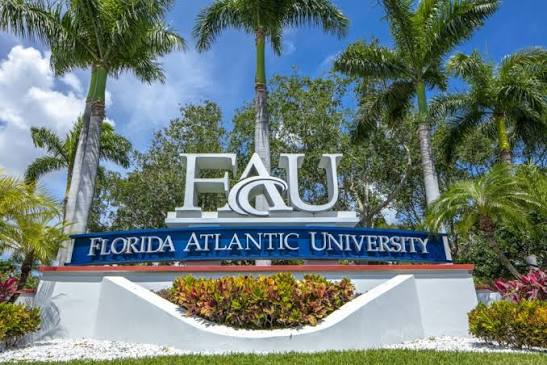
Florida Atlantic University Receives NIST Grant to Build South Florida Quantum Cybersecurity Workforce Ecosystem
Florida Atlantic University (FAU) received a $200,000 NIST grant to establish a quantum cybersecurity workforce consortium in South Florida. This initiative, in collaboration with D-Wave Quantum Inc., will focus on integrating quantum computing, cybersecurity, and critical energy infrastructure protection. The program will utilize FAU's new D-Wave Advantage2 quantum system and aims to train a workforce to secure critical infrastructure against emerging post-quantum threats.
-
Xanadu Partners with GlobalFoundries to Scale Photonic Quantum Component Manufacturing on 300 mm Semiconductor Lines
Xanadu and GlobalFoundries have partnered to mass-produce photonic quantum computing components. This collaboration will transition Xanadu's designs for ultra-low loss Silicon Nitride optical circuits and Superconducting Nanowire Single-Photon Detectors (SNSPDs) to GlobalFoundries' 300 mm commercial semiconductor fabrication facility. This aims to scale up the manufacturing of these components for fault-tolerant quantum computers and future quantum data centers.
-
RapidFort and SpaceWERX Enter CRADA to Secure U.S. Space Force Systems Against AI Vulnerabilities and Post-Quantum Cryptographic Risks
RapidFort and SpaceWERX have partnered to secure U.S. Space Force systems against AI vulnerabilities and post-quantum cryptographic risks through a Cooperative Research and Development Agreement (CRADA). This collaboration will focus on mitigating AI software risks, accelerating Authority to Operate (ATO) approvals, and preparing for post-quantum cryptographic transitions. The partnership aims to deploy hardened, quantum-resilient software across mission-critical Space Force infrastructure.
-
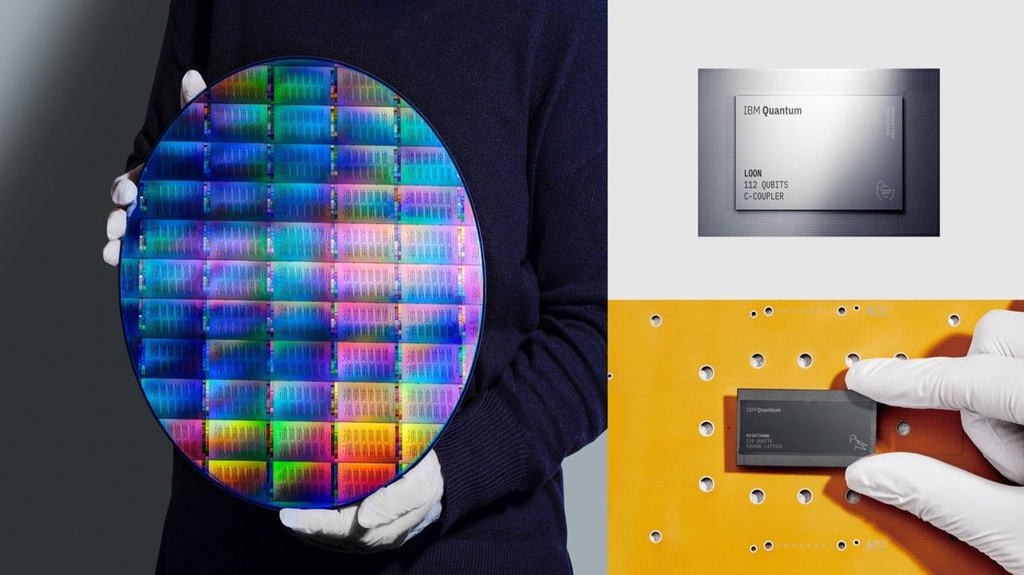
Zapata Quantum Joins IBM Quantum Network to Accelerate Enterprise Application Development
Zapata Quantum has joined the IBM Quantum Network to accelerate enterprise application development by integrating IBM's superconducting QPUs with Zapata's Quantum Pilot platform. This partnership aims to bridge the quantum application gap and develop mission-critical quantum software workflows for various industries. Their collaboration builds on previous research, including a generative model study for cancer mutation inhibitors and foundational work on variational quantum factoring.
-
-
-
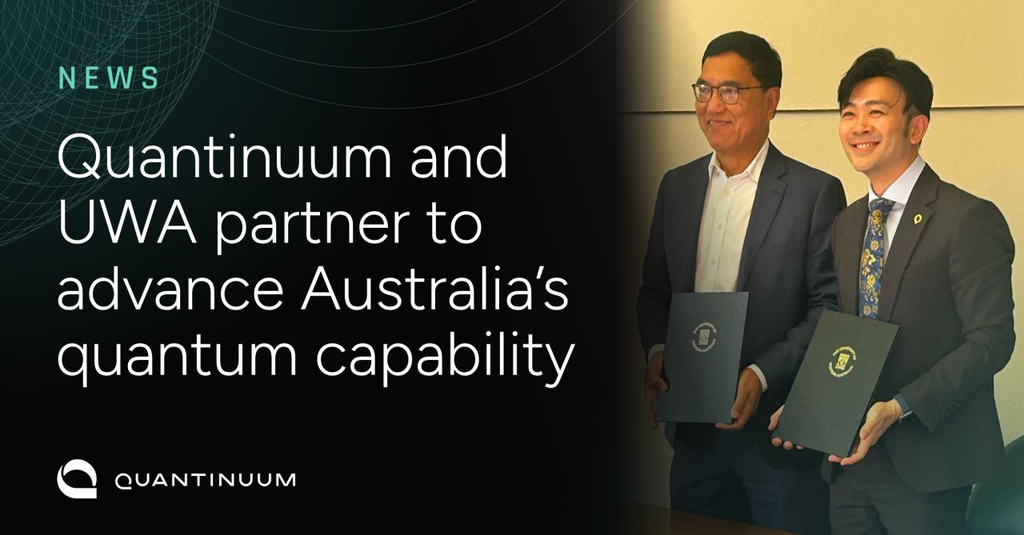
Quantinuum and The University of Western Australia Partner to Advance Australia’s Hybrid Quantum-AI-HPC Ecosystem
Quantinuum and The University of Western Australia (UWA) have partnered to advance Australia's quantum-AI-HPC ecosystem. This collaboration grants UWA access to Quantinuum's 98-qubit Helios trapped-ion system and focuses on co-designing hybrid workflows for critical Australian sectors like minerals, energy, agriculture, and healthcare. The agreement also includes plans for a university-wide quantum computing applications center and workforce development through Quantinuum's global Q-Net network.
-
D-Wave Partners with University of Arkansas to Establish Quantum Supply Chain Initiative
D-Wave Quantum Inc. has partnered with the University of Arkansas's Supply Chain Management Research Center to create the Quantum Supply Chain Initiative Support Fund. This collaboration aims to advance quantum optimization tools for global supply chains, focusing on complex logistics and operations challenges. The initiative will leverage quantum annealing and hybrid quantum-classical solvers to address issues like dynamic transportation routing and real-time decision-making during supply chain disruptions.
-