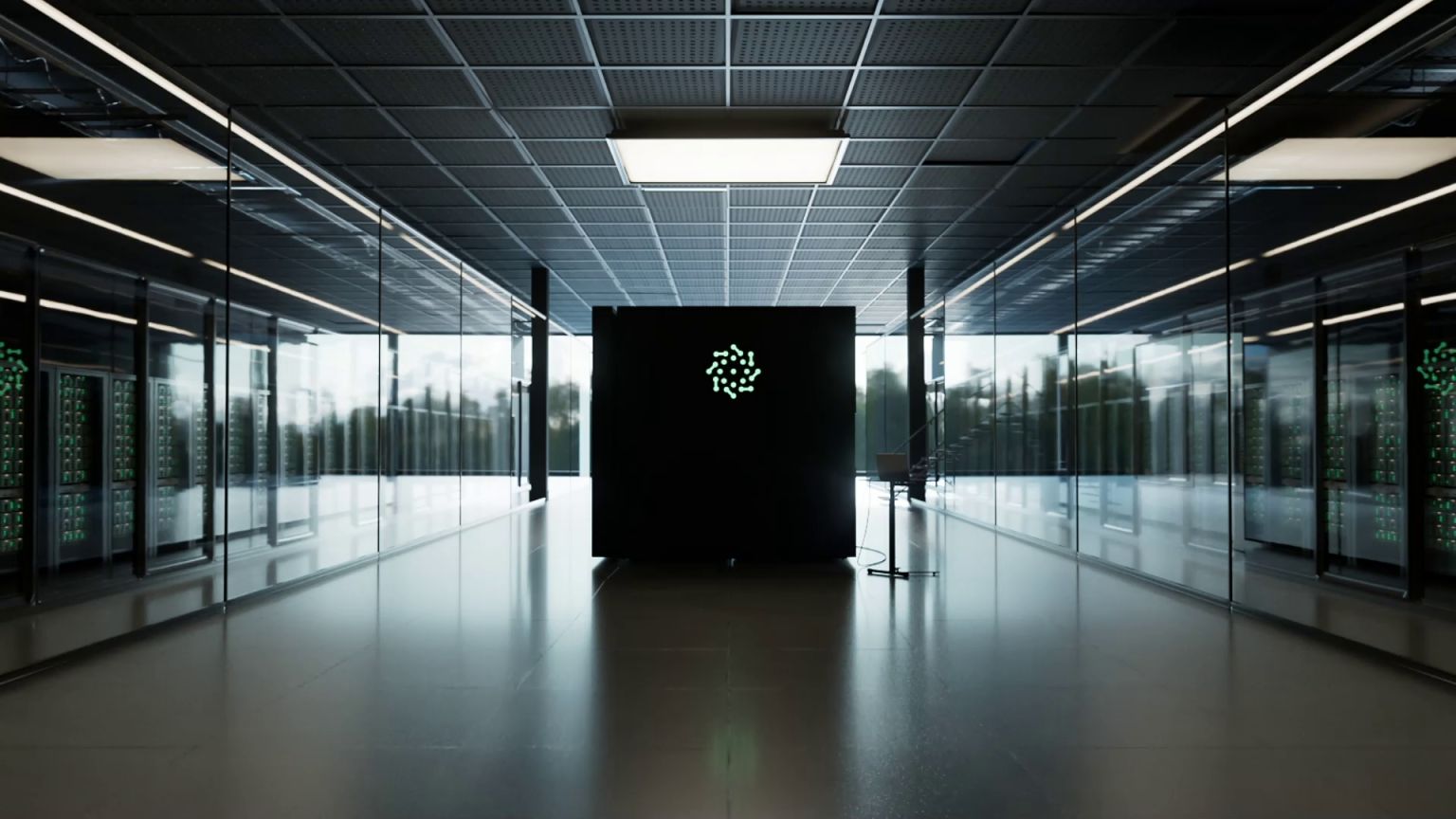
Pasqal has announced the integration of the NVIDIA CUDA-Q platform with its Quantum Resource Management Interface (QRMI) runtime, enabling quantum processors to function as native accelerators within standard High-Performance Computing (HPC) environments. This integration allows CUDA-Q workloads to be scheduled and orchestrated on Pasqal’s neutral-atom systems using Slurm, the industry-standard job submission and resource management tool. By exposing the Quantum Processing Unit (QPU) as a schedulable resource alongside CPUs and GPUs, the system reduces adoption friction for researchers who can now manage quantum jobs within their existing operational workflows.
The technical framework for this integration relies on QRMI, a hardware-agnostic interface originally established by IBM in collaboration with Pasqal, Rensselaer Polytechnic Institute (RPI), and the STFC Hartree Centre. CUDA-Q facilitates the tight interleaving of GPU-accelerated classical kernels with quantum routines, while QRMI handles the automated provisioning, secure authentication, and monitoring of the QPU during execution. This setup enables heterogeneous “quantum-GPU supercomputing” where quantum routines are invoked as part of a larger classical job, providing a practical pathway for scaling applications in optimization, simulation, and AI.
The first on-premises deployment of this stack is scheduled for CINECA in Italy, where Pasqal’s QPU will be integrated with the Leonardo pre-exascale supercomputer to enable Slurm-native hybrid workloads. The integration is already available for users accessing Pasqal’s systems via the cloud. This milestone occurs alongside Pasqal’s ongoing path to go public through a business combination with Bleichroeder Acquisition Corp. II, aiming to establish production-grade hybrid HPC–quantum capabilities as a standard feature of modern supercomputing centers.
For further technical details on the QRMI implementation and the CINECA deployment, consult the official Pasqal newsroom announcement here.
March 16, 2026

Leave A Comment