

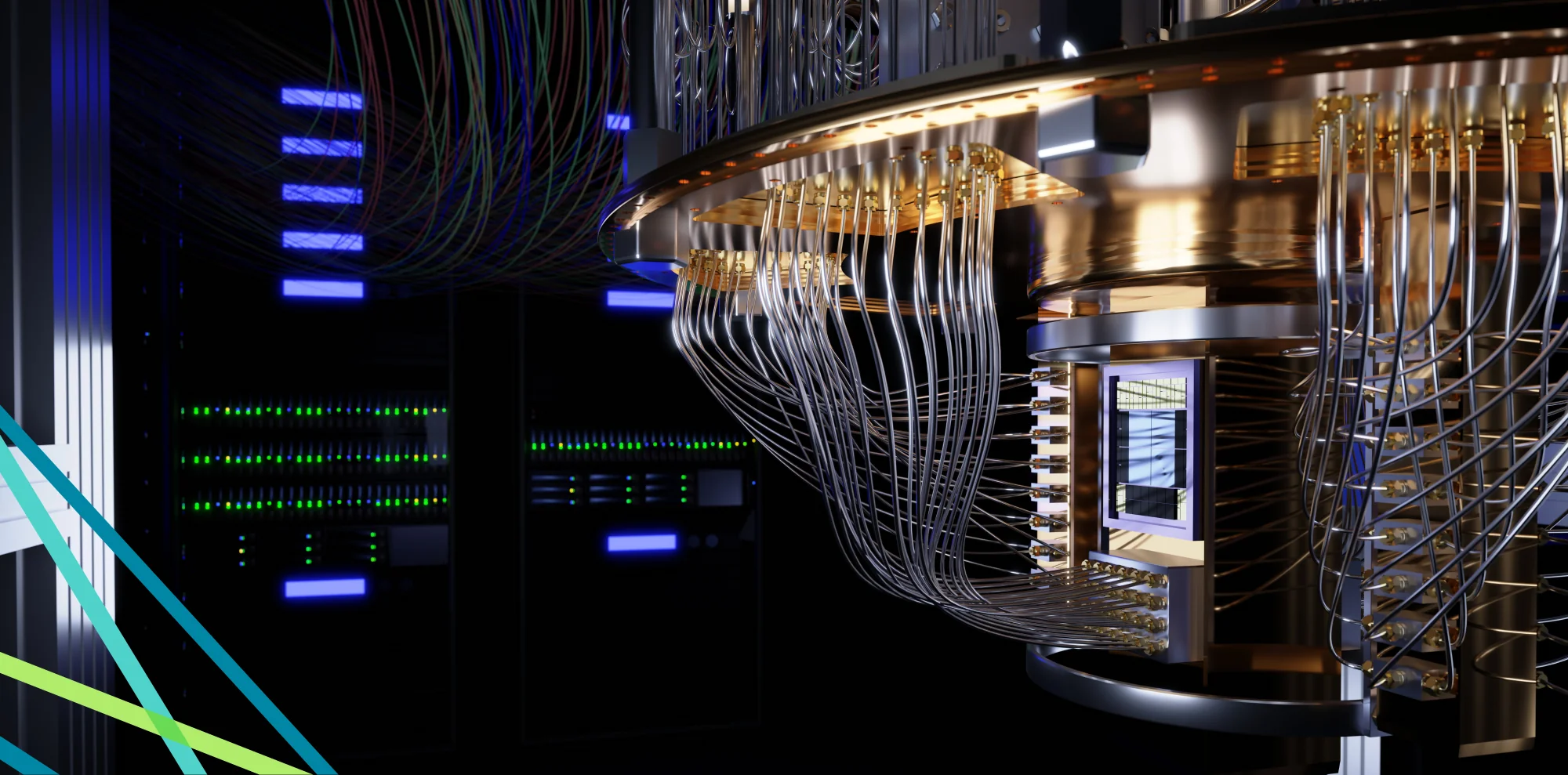
Pennsylvania has launched the Keystone AI + Quantum Factory, a first-of-its-kind statewide innovation network designed to transition academic research into industrial applications. This historic collaboration aligns the Commonwealth’s seven R1 research universities—Carnegie Mellon, Drexel, Lehigh, Penn State, Temple, the University of Pennsylvania, and the University of Pittsburgh—with the Pittsburgh Supercomputing Center (PSC), the Commonwealth of Pennsylvania, and Team Pennsylvania. The initiative represents the first time these seven institutions have unified under a shared vision to scale AI and quantum technologies specifically for Pennsylvania’s workforce and business sectors, including energy, manufacturing, agriculture, and life sciences.
The Factory is built upon three interconnected pillars: World-Class Research, Workforce Development, and Shared Infrastructure. By pooling resources, the network aims to deliver large-scale GPU/CPU and data resources that individual institutions often struggle to supply alone. According to Theresa Mayer, Vice President for Research at Carnegie Mellon, access to advanced computing is currently the “limiting factor” in AI and quantum research; this initiative aims to change that equation by scaling infrastructure access to a broader range of researchers and students. This shared environment is intended to accelerate breakthroughs in tumor evolution and star formation while providing a “single point of entry” for federal agencies and industry partners.
Economically, the initiative is positioned as a catalyst for job creation and “future-proof” workforce training. Pennsylvania Department of Community and Economic Development Deputy Secretary Jen Gilburg noted that the Factory will turn research into new companies and high-quality, family-sustaining jobs across the Commonwealth. By connecting university research capacity with the needs of both urban and rural manufacturers, the Factory aims to expand access to advanced technologies for small businesses that were previously excluded from high-performance computing. This strategic alignment is intended to keep Pennsylvania’s top talent within the state and bolster national competitiveness.
The launch follows a trend of technological investment by the Shapiro Administration, including recent agreements for the University of Pennsylvania to advise the state on AI and the distribution of AI tools to thousands of state workers. The PSC, a joint effort between Carnegie Mellon and Pitt, will play a central role in delivering the high-performance computing, data storage, and advanced software required to train sophisticated AI models and run large-scale quantum simulations. This infrastructure will support diverse research, such as the University of Pennsylvania’s use of intelligent networks to assist farmers and the University of Pittsburgh’s study of complex molecular structures.
Through this unified approach, Pennsylvania aims to compete aggressively in the technologies shaping the next century. Participating leaders, including Penn State’s Andrew Read and Lehigh’s Anand Jagota, emphasized that such large-scale coordination is essential for leadership in the global research landscape. By aligning talent and infrastructure intentionally, the Keystone AI + Quantum Factory seeks to ensure long-term economic stabilization, making Pennsylvania a global destination for quantum and AI innovation.
You can find the official announcement from the Keystone AI + Quantum Factory here, additional details from the Pittsburgh Supercomputing Center here, coverage of the launch via the University of Pittsburgh here, the press release from Carnegie Mellon University here, and an analysis of the shared infrastructure from GovTech here.
In GQI Portal
The players behind the news
The team that writes QCR tracks every company, deal and technology in the GQI Factory, GQI's verified database of the quantum industry. Next up: every story linked to its players, coming to QCR's paid plans.
- Players Companies and institutions across the quantum industry, by segment.
- Scorecards How the players compare on hardware, software, funding and more.
Newsletter
QCR Alerts in your inbox
The latest reporting and analysis from Quantum Computing Report. Free, unsubscribe any time.