Author: Mohamed Abdel-Kareem
-
-
UC Berkeley Welcomes QuantrolOx to its Quantum Innovation Corridor
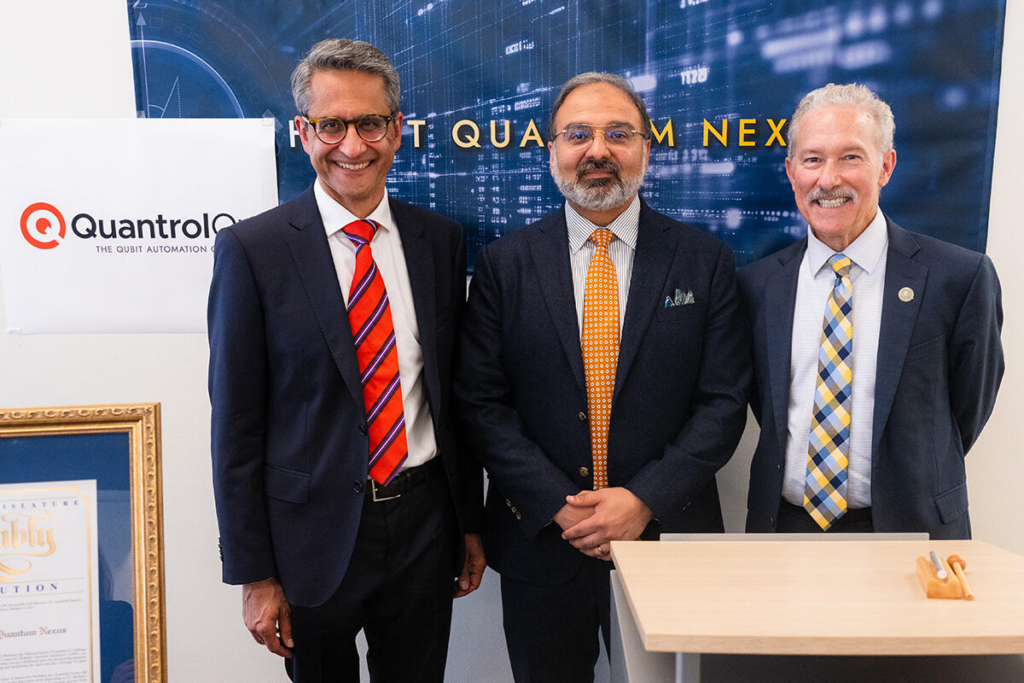
UC Berkeley's Roger Herst Quantum Nexus has welcomed QuantrolOx, a UK-headquartered qubit automation startup, establishing its first North American base. This partnership, solidified by a five-year MOU, integrates QuantrolOx's Quantum EDGE software with UC Berkeley's quantum processing units to automate qubit tuning and calibration, aiming to standardize hardware pipelines and accelerate quantum computing development. The collaboration supports California's Quantum California initiative, fostering innovation in the deep-tech ecosystem.
-
Universal Quantum Establishes First R&D Competency Centre Outside Europe in Singapore
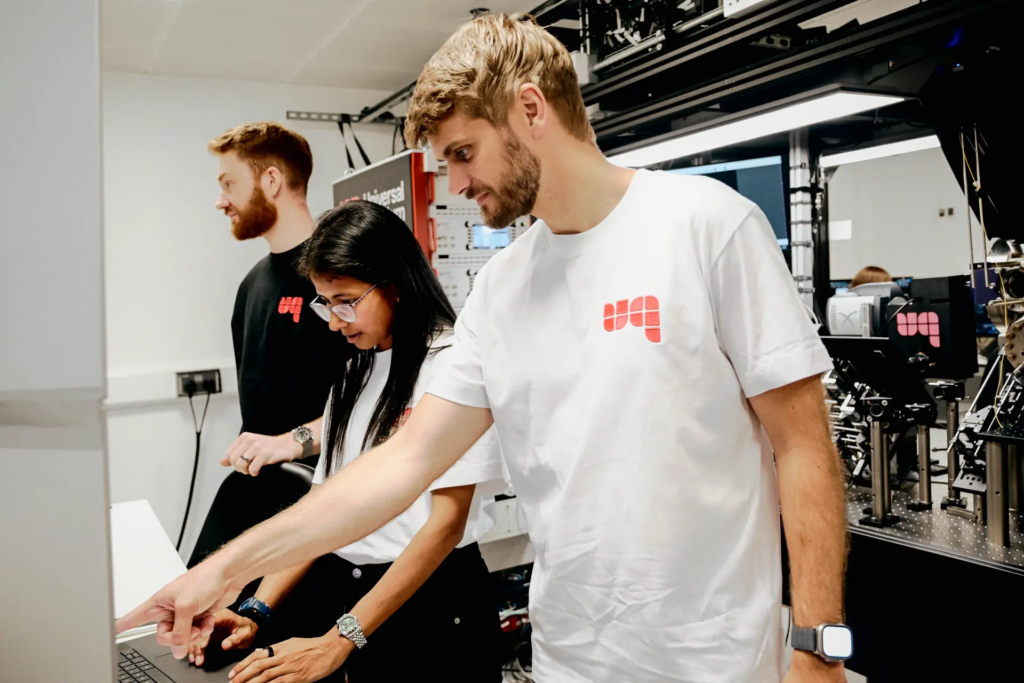
Universal Quantum has established its first R&D Competency Centre outside Europe in Singapore, backed by an investment exceeding SGD 30 million. This facility will serve as the company's Asia-Pacific headquarters for advanced ion-trap microchip manufacturing, packaging, and algorithmic co-design, in collaboration with Singaporean government bodies and research institutions. The center aims to develop high-density microchip modules for a million-qubit quantum computer and design fault-tolerant quantum algorithms for key industrial sectors in Singapore.
-
Keyfactor Surpasses $200 Million ARR Amid Enterprise Post-Quantum Migration Surge
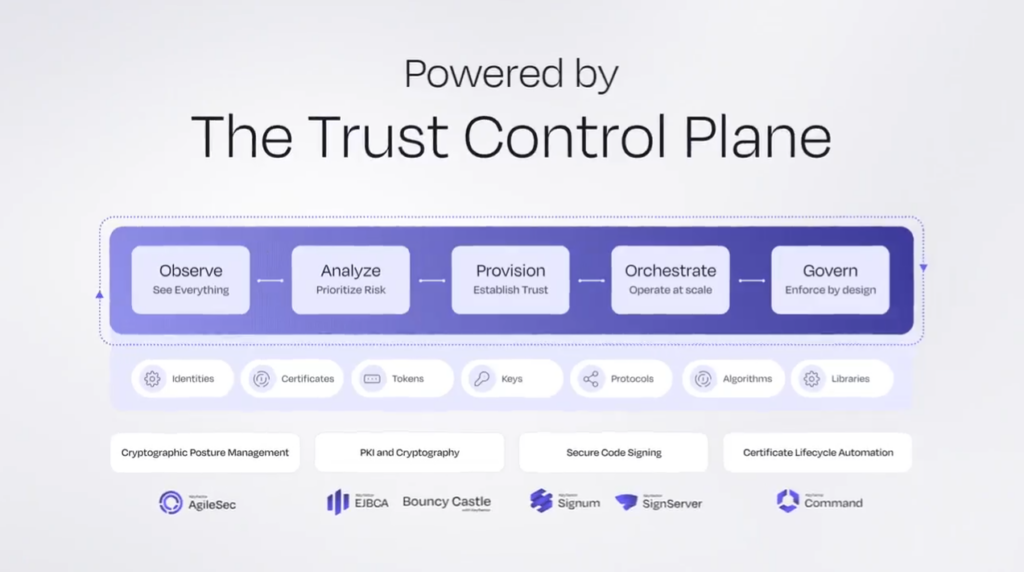
Keyfactor has surpassed $200 million in annual recurring revenue in Q3 2026, driven by a 35% year-over-year growth and increasing demand for enterprise trust infrastructure due to post-quantum cryptography migration. This growth is further bolstered by a $1 billion+ investment from Summit Partners and the intent to acquire Cofide, enhancing Keyfactor's capabilities in machine identity security and cryptography management for various sectors, including government agencies and Fortune 100 enterprises.
-
SandboxAQ and Northrop Grumman Flight-Test AQNav Quantum Navigation on Attritable Drone
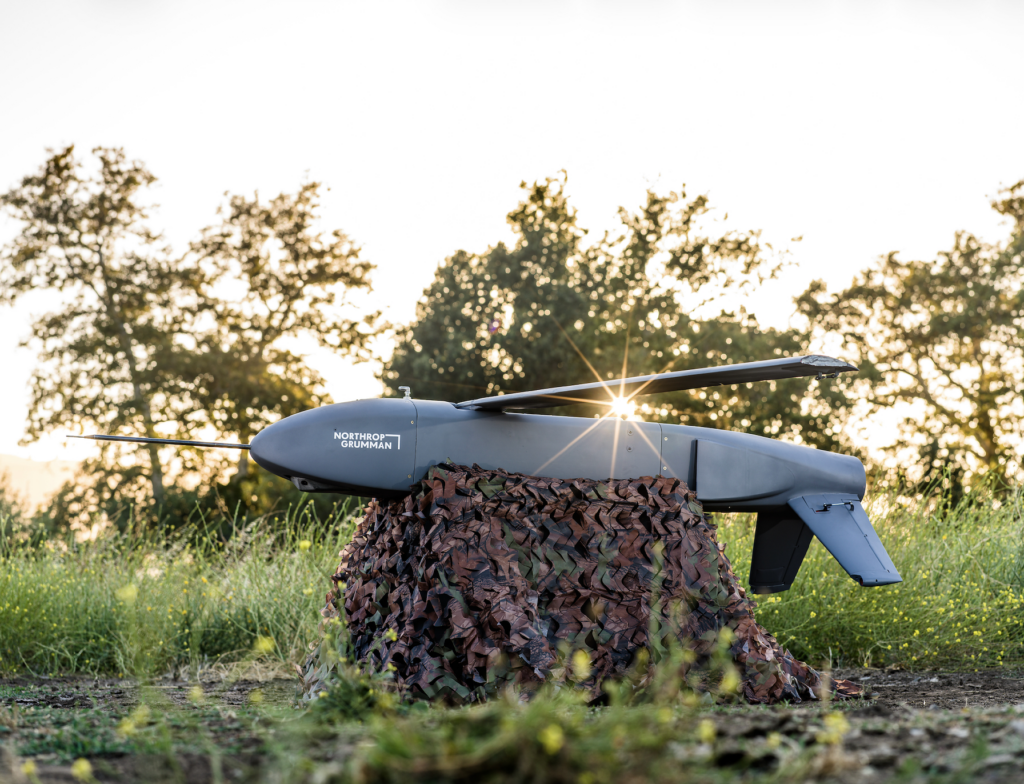
SandboxAQ and Northrop Grumman successfully flight-tested the AQNav magnetic navigation system on a Lumberjack® attritable drone, marking the first operational flight-test of MagNav on an expendable platform and the first pairing of magnetic anomaly navigation with visual navigation sensors on a one-way attack system. This demonstration validated AQNav's software-first architecture, which processes sensor telemetry using Large Quantitative Models and geomagnetic anomaly maps to enable real-time alternative positioning, navigation, and timing in GPS-denied environments, expanding its deployment options for low-cost defense systems.
-
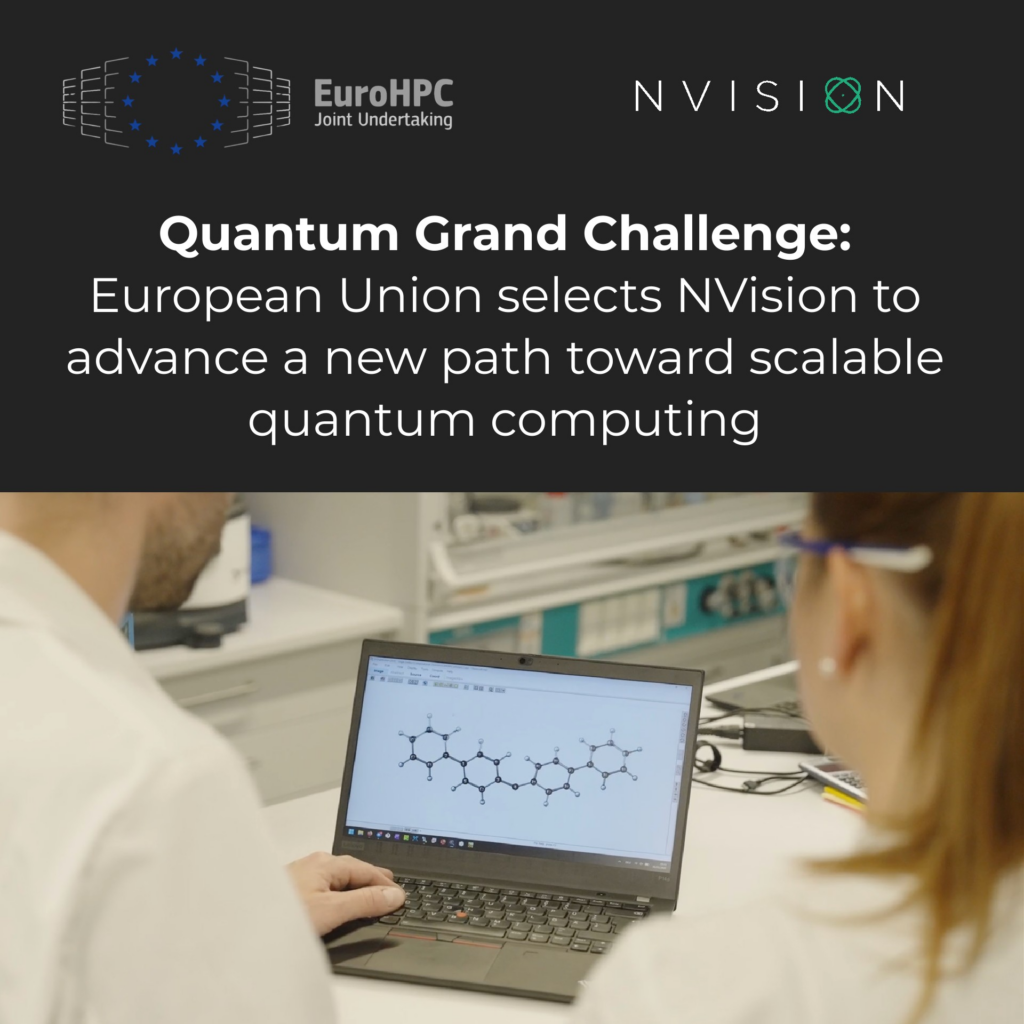
NVision Advances EuroHPC QOSMOS Project for Photonic-Interfaced Spin Qubits
NVision Quantum Technologies has received €293,455 in Phase 1 funding from the EuroHPC Joint Undertaking for its QOSMOS project, aimed at developing a Photonic-Interfaced Quantum Computer (PIQC) architecture. This funding will support the creation of a roadmap for scaling their spin-qubit technology, which uses photonic integrated circuits to overcome scaling limitations. Successful completion of Phase 1 could lead to up to €30 million in EIB venture debt financing for manufacturing facilities.
-
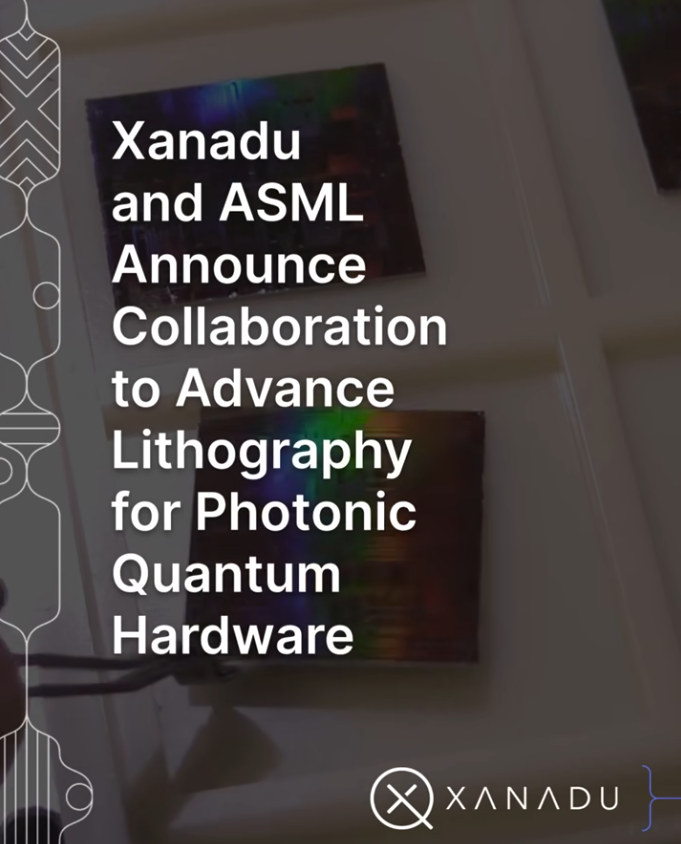
Xanadu and ASML Partner to Optimize Lithography Processes for Ultra-Low-Loss Quantum Photonics
Xanadu Quantum Technologies and ASML are collaborating to improve lithography processes for quantum photonics, aiming to reduce optical signal loss in silicon photonic circuits. Their research focuses on minimizing Line Edge Roughness (LER) caused by DUV and EUV photolithography, which scatters photons in optical waveguides, with the goal of achieving ultra-smooth waveguide sidewalls for fault-tolerant quantum error correction.
-
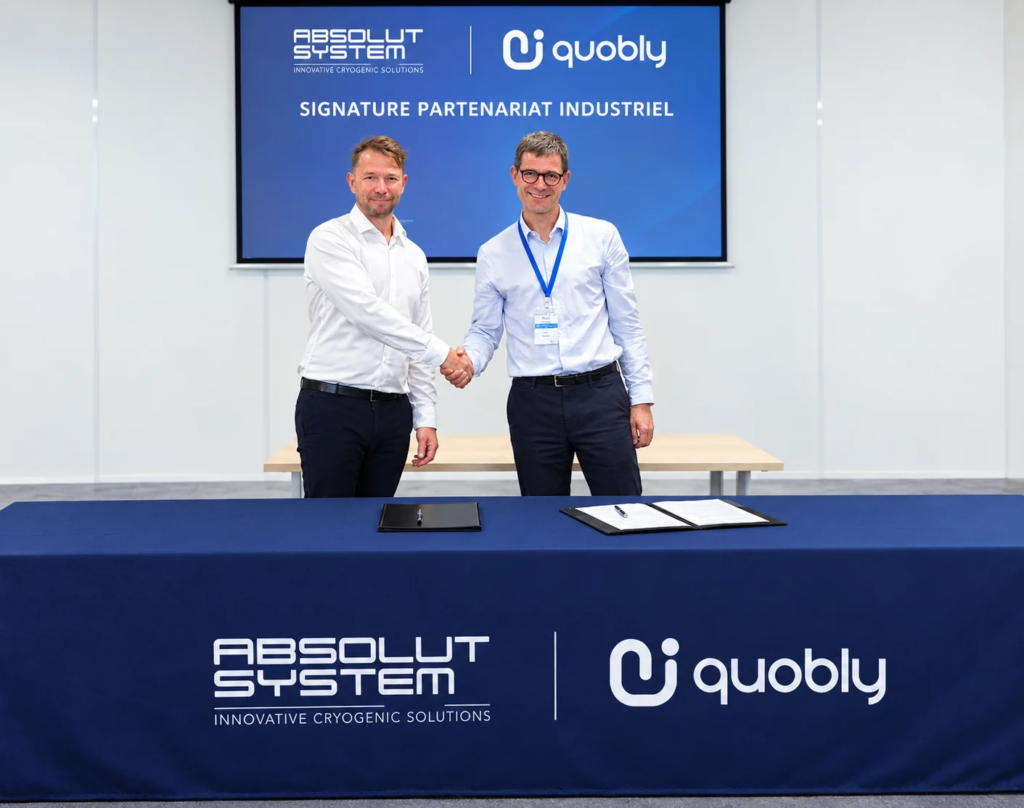
Quobly and Absolut System Execute Industrial Cryogenic Roadmap for Silicon Spin-Qubit Computers
Quobly and Absolut System have partnered to develop advanced cryogenic infrastructure for silicon spin-qubit computers, successfully qualifying the QCube® 100-Class 3 platform. This system provides 100 mW cooling at 500 mK, essential for Quobly's integrated control logic architecture, paving the way for scaling to one million qubits by 2032. This collaboration, supported by significant funding, aims to establish mass-manufacturable quantum hardware.
-
Qedma and HQC² Demonstrate 30–50× Error Mitigation Advantage in Quantum Chemistry Benchmark
Qedma Quantum Computing and the HQC² research consortium have demonstrated a significant 30–50x reduction in energy estimation error for quantum chemistry calculations on superconducting quantum hardware. Their QESEM software layer, tested on IBM’s Aachen processor, successfully lowered energy estimation errors for a water molecule's potential energy surface from approximately 500 mHa to within 1.5 mHa, achieving chemical accuracy. This advancement showcases the potential of characterization-driven quantum error mitigation for extracting quantitative molecular properties on current quantum hardware.
-
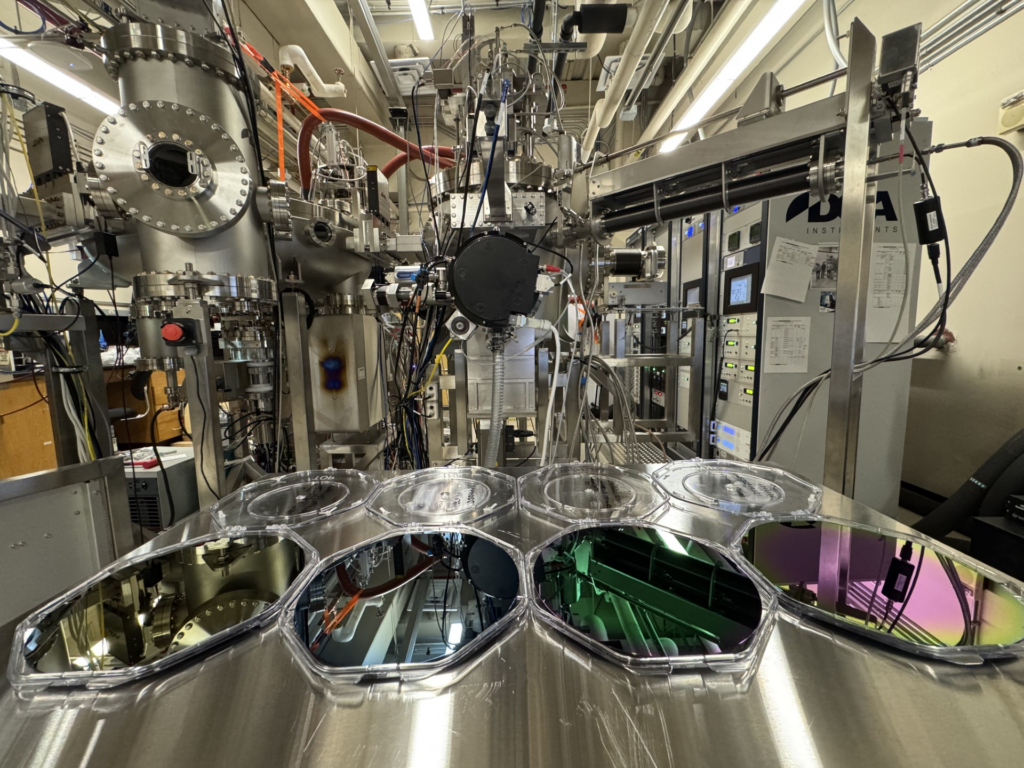
La Luce Cristallina Launches Quantum Paraelectric Strontium Titanate on Insulator Wafer Platform
La Luce Cristallina has launched its 0.5-micrometer silicon-based quantum paraelectric strontium titanate on insulator (QP-STOI) wafer platform. This platform is designed for quantum computing, cryogenic electronics, and non-linear electro-optic architectures, offering a foundry-compatible substrate that exploits strontium titanate's dielectric tunability at liquid-helium temperatures.
-
QNu Labs Closes ₹200 Crore ($21.02M USD) Series A1 Round to Scale Sovereign Quantum Security Hardware Stack
QNu Labs, an Indian quantum-safe cybersecurity provider, has successfully closed a ₹200 crore ($21.02 million USD) Series A1 funding round, co-led by the National Quantum Mission and Speciale Invest. This funding, along with ₹150 crore in convertible debt, brings their total capital to ₹375 crore, which will be used to build a 2,000-kilometer Quantum Key Distribution (QKD) network in India and expand internationally. The company, incubated at IIT Madras, specializes in QRNG, QKD, and PQC solutions, with plans to extend into quantum sensing and miniaturized QKD chips.
-