IBM and the Dallara Group have announced a strategic collaboration to integrate physics-based AI foundation models and quantum computing into high-performance vehicle design. By combining Dallara’s proprietary aerodynamic data with IBM’s computational research, the partnership aims to accelerate the optimization of racing chassis for series including IndyCar, Formula 2, and the IMSA WeatherTech SportsCar Championship. The initiative focuses on reducing the reliance on traditional Computational Fluid Dynamics (CFD), which, while highly accurate, requires significant time and computational resources for complex geometry iterations.
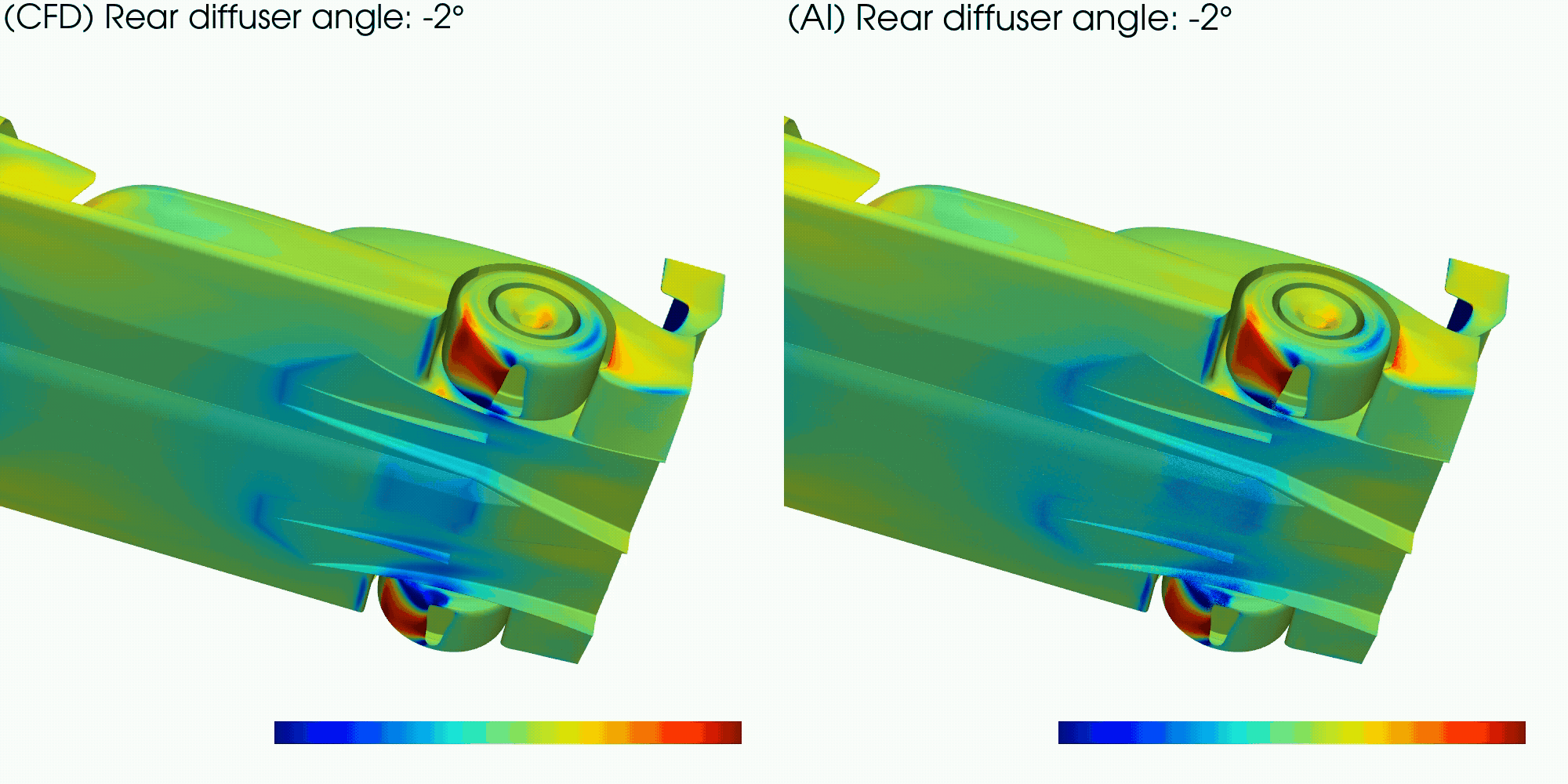
A primary technical milestone of the collaboration is the development of the Gauge-Invariant Spectral Transformer (GIST), a graph-based neural operator designed by IBM Research. Unlike previous AI surrogate models that treated vehicle meshes as simple point clouds, GIST encodes the specific topology of a car’s connections—links and surfaces—to capture the impact of intricate aerodynamic components like rear diffusers and front wings. In early testing on a Le Mans Prototype 2 (LMP2) concept, the GIST model identified optimal design configurations in approximately 10 seconds, a task that traditionally requires several hours of CFD processing.
The speedup offered by these AI surrogates allows engineers to evaluate hundreds of design configurations in minutes rather than days. This efficiency enables Dallara to front-load its design exploration phase, utilizing AI to filter through thousands of permutations before deploying high-fidelity CFD or wind tunnel testing for final optimization. Beyond immediate time savings, the partners reported that the AI model predicted aerodynamic forces, including pressure fields and shear stress, with error margins remarkably close to traditional physics-based simulations.
IBM and Dallara are also beginning to investigate hybrid quantum-classical approaches to further enhance simulation fidelity for complex fluid dynamics. This long-term research path aims to offload the most computationally intensive “many-body” physics problems to quantum processors, potentially unlocking levels of detail in air-flow turbulence that are currently unreachable. While the immediate focus remains on increasing the efficiency of race car development, the companies noted that a 1% to 2% reduction in drag achieved through these tools could lead to significant fuel-efficiency gains if applied to the broader commercial automotive and aerospace sectors.
You can find the official announcement of the IBM and Dallara collaboration here and access the technical “Faster by Design” white paper published on arXiv here. Additional background on the GIST AI model architecture is available here.
May 2, 2026
