
News
Company, funding, product and policy news from across the quantum industry, as it happens.
-
-
Quandela and Safran Partner to Develop Quantum Algorithms for Fluid Dynamics
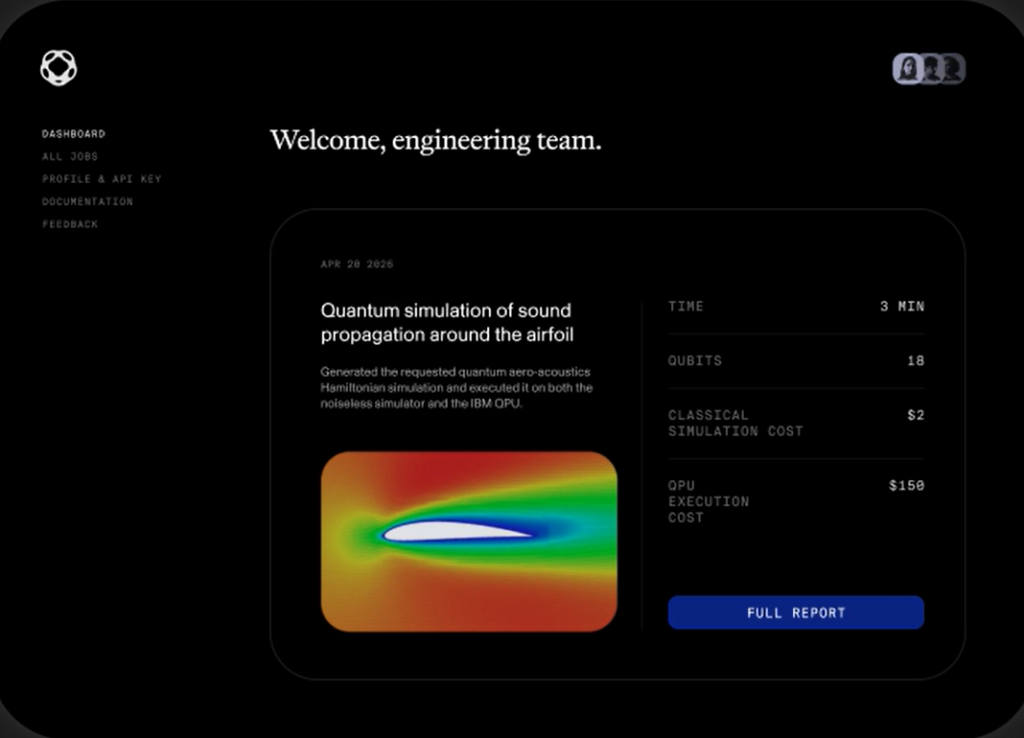
Quandela and Safran have partnered on the AQeFLU project to develop quantum algorithms for modeling fluid flows, aiming to improve aerodynamic simulations and reduce reliance on physical testing. The collaboration will integrate Quandela’s photonic quantum technology with Safran Tech’s fluid mechanics expertise to optimize engine performance and reduce fuel consumption in future aircraft.
-
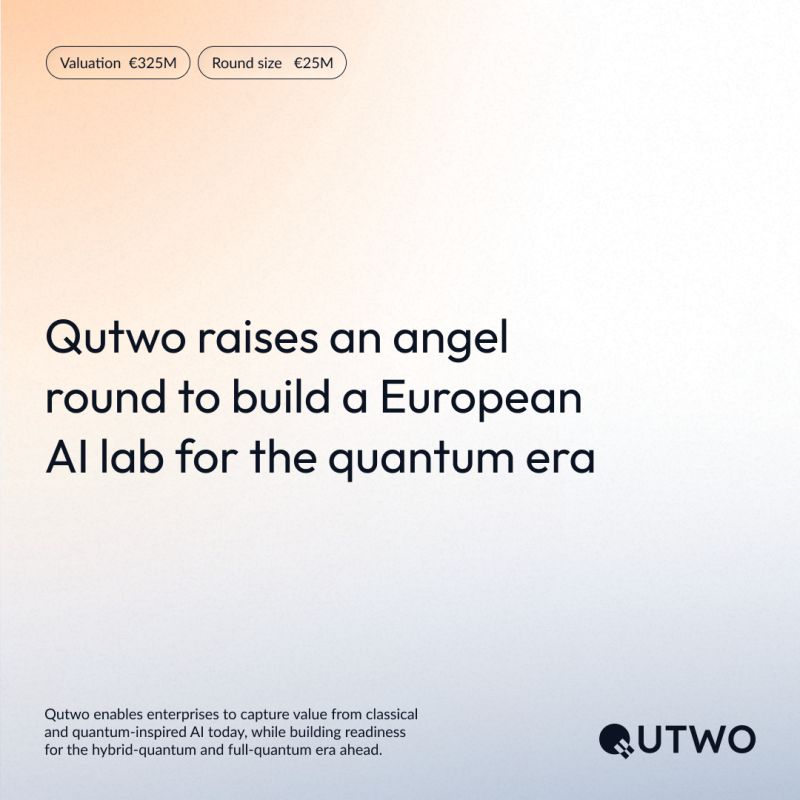
Qutwo Raises €25M ($29.4M USD) Angel Round to Bridge Enterprise AI and Quantum Computing
Qutwo, an AI and quantum software startup founded by Peter Sarlin, has raised €25 million in angel funding, valuing the company at €325 million. Qutwo’s core product, Qutwo OS, manages AI workloads across classical, quantum-inspired, and quantum hardware, securing over €20 million in contracted revenue within two months through partnerships with companies like Zalando and OP Pohjola. With a team of 50 scientists and engineers, Qutwo focuses on bridging the gap between AI and quantum computing to build sovereign European technology.
-
ParityQC and University of Innsbruck Propose Distillation Architecture to Reduce FTQC Overhead
ParityQC and the University of Innsbruck have developed the Parity-Unfolded Distillation Architecture, an FTQC scheme optimized for noise-biased platforms that reduces resource overhead for non-Clifford gates. This architecture streamlines gate synthesis, achieving a 26% reduction in physical qubit footprint and a 43% decrease in logical error rate compared to standard methods.
-
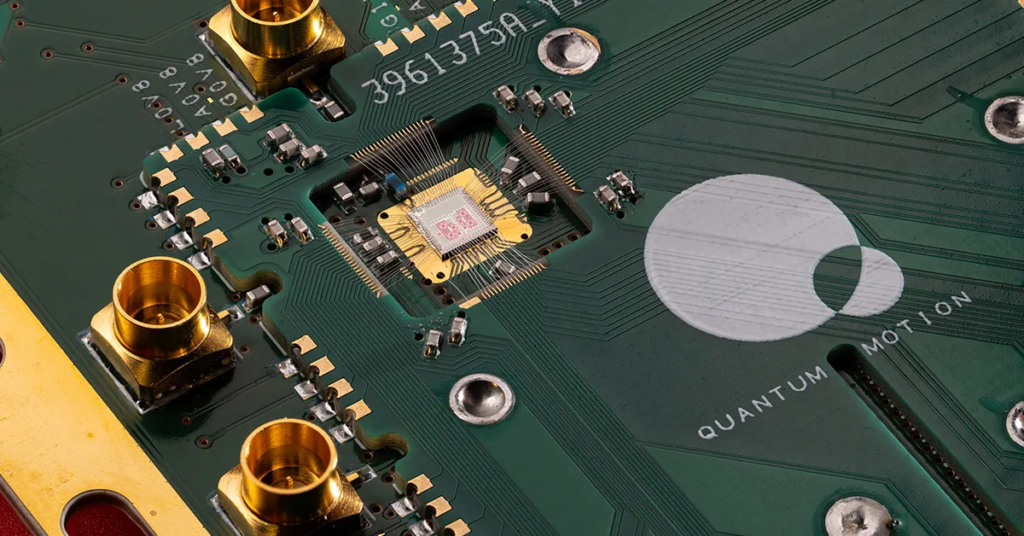
Quantum Motion Secures $160M Series C to Scale Silicon Spin QPUs
Quantum Motion secured a $160M Series C funding round, co-led by DCVC and Kembara, to accelerate the commercialization of silicon transistor-based quantum computers, leveraging existing CMOS manufacturing processes. Their approach uses quantum dots to trap single electron spins, reducing costs, space, and energy consumption compared to other quantum computing modalities. The company is expanding globally, partnering with GlobalFoundries, and aiming to deploy utility-scale quantum processors that fit within existing data center racks.
-
Horizon Quantum Reports Q1 2026 Financial Results: Nasdaq Debut and Testbed Expansion
Horizon Quantum Holdings Ltd. (NASDAQ: HQ) reported its Q1 2026 financial results, marking its Nasdaq debut and a net loss improvement to $3.56 million, driven by a non-cash gain. The company expanded its hardware capabilities by purchasing a 256-qubit trapped-ion system and continued collaborations to enhance its hardware-agnostic software infrastructure.
-
-
-
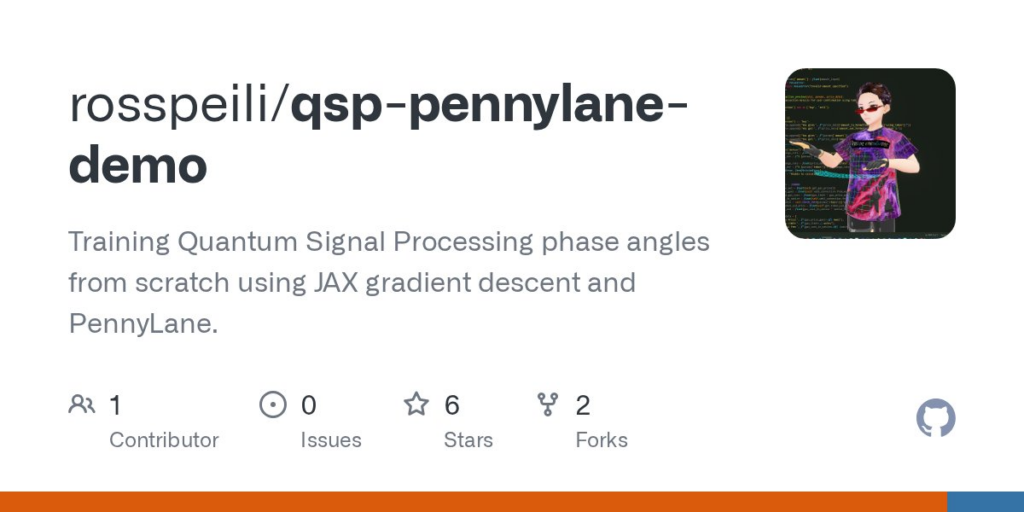
New Open-Source Tool Uses Gradient Descent to Determine QSP Phase Angles
An independent researcher has released an open-source tool that uses gradient descent to determine QSP phase angles, addressing the numerical instability issues of traditional analytic solvers. This optimization-based framework allows for stable quantum subroutines, implicit specification of transformations, and integration within variational quantum algorithms.
-
Bluefors Joins Chicago Quantum Exchange to Strengthen Regional Cryogenic Infrastructure
Bluefors has joined the Chicago Quantum Exchange to bolster cryogenic infrastructure in the Midwest, supporting quantum manufacturing and workforce development. They will open a second Bluefors Lab Service facility at the UChicago Science Incubator on May 12, 2026, providing access to a high-performance cryogenic platform for early-stage startups and academic researchers.
-
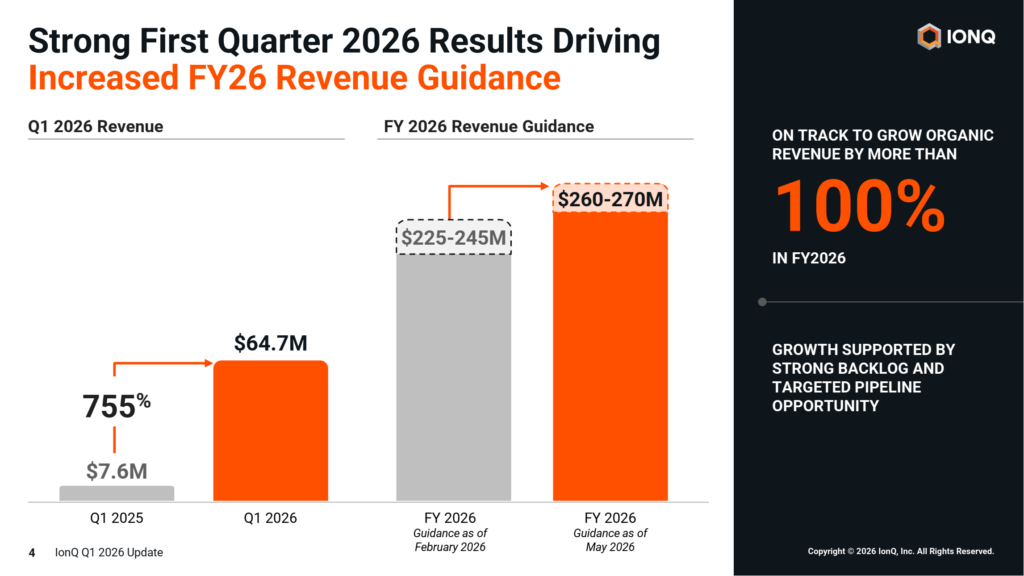
IonQ Reports on Its Q1 2026 Financial Results: Historic Growth and Blueprint for Fault Tolerance
IonQ reported record Q1 2026 revenue of $64.7 million, a 755% increase year-over-year, driven by system sales and commercial demand, and net income of $805.4 million due to a non-cash gain. The company sold its first 256-qubit system, progressed on chip fabrication, and published a fault-tolerant blueprint, raising its full-year revenue guidance to $260−270 million.
-
Haiqu Launches Agentic Quantum Operating System to Accelerate Enterprise R&D
Haiqu has launched its Agentic Quantum OS, a full-stack platform integrating agentic AI with a proprietary software stack to automate quantum application development, significantly reducing the time and expertise needed. Internal tests demonstrated substantial cost and time savings, alongside successful simulations of complex physics problems, attracting early adoption from consulting firms and research institutions.
-
Q-CTRL Achieves 3,000x Speedup in Quantum Materials Simulation
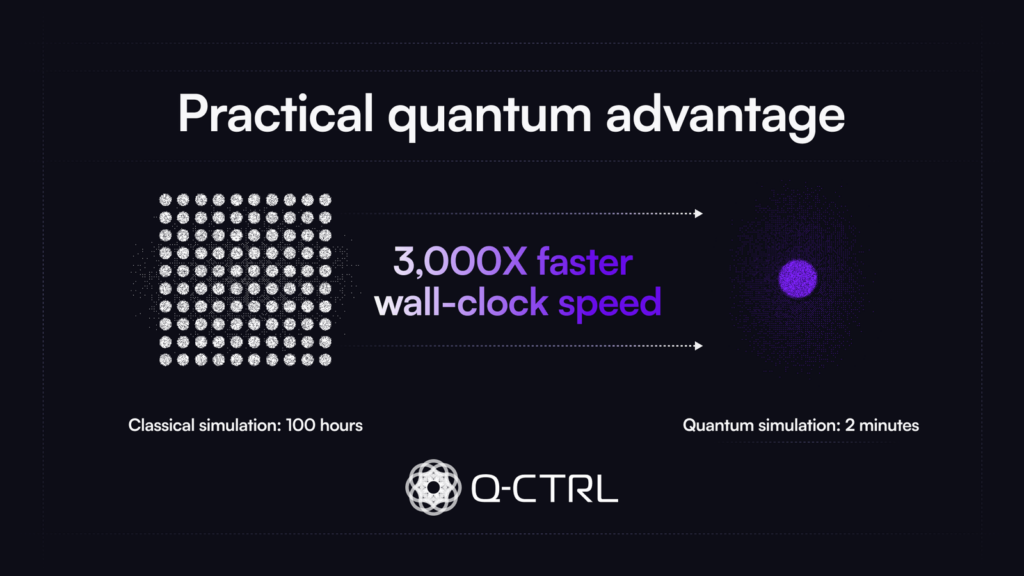
Q-CTRL and IBM achieved a 3,000x speedup in simulating the Fermi-Hubbard model on 120 qubits using runtime error suppression, demonstrating practical quantum advantage over classical methods. This breakthrough enables faster and more accurate materials science simulations, paving the way for quantum computers in R&D and integration into the IBM Quantum Platform.
-
-
-
ParityQC Demonstrates Universal MBQC Driven by YZ-Plane Measurements
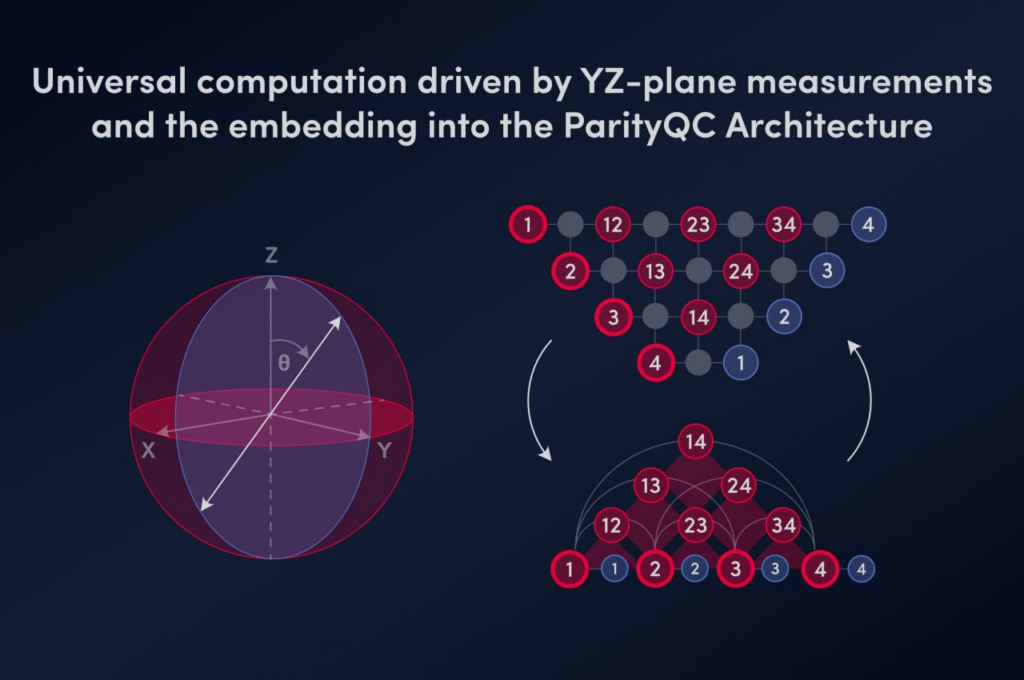
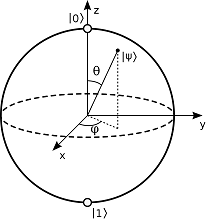
ParityQC has demonstrated universal measurement-based quantum computing (MBQC) using single-qubit measurements restricted to the YZ-plane of the Bloch sphere, unifying research threads and offering a new pathway for algorithm execution on restricted hardware. This achievement integrates YZ-plane measurement patterns into the ParityQC Architecture, eliminating long-range interactions and enhancing hardware efficiency by minimizing demands on the physical layer.
-
Quantinuum and BMW Group Expand Collaboration with Multi-Year Partnership
Quantinuum and BMW Group have expanded their collaboration into a multi-year partnership focused on using Quantinuum’s quantum hardware to accelerate future mobility through quantum-enhanced materials science, particularly for fuel cells and battery technologies. This partnership aims to integrate quantum processors into BMW’s R&D to optimize materials and reduce reliance on expensive prototypes, with plans to utilize increasingly advanced quantum systems like Helios, Sol, and Apollo.
-
Clemson University Launches $100K ‘Quantum Sentinel’ Cybersecurity Initiative
Clemson University has launched the $100K SC-Q-Sentinel initiative to develop quantum-enhanced AI cybersecurity tools for smart city and IoT infrastructure, focusing on intrusion detection and real-time threat response. The project also incorporates a “Peopleware” strategy, prioritizing technical capacity building through outreach, community pilots, and applied research.
-
Quantum Machines Acquires QHarbor to Expand European R&D and Control Stack Capabilities
Quantum Machines (QM) acquired QHarbor, a data storage and visualization software platform from TU Delft, to enhance its software capabilities and establish an R&D presence in the Netherlands. This acquisition expands QM’s European footprint and focuses on software-defined experimentation and data management for its hybrid quantum-classical Orchestration Platform.
-
AQT Launches LYNX Series with European-Record Quantum Volume of 32,768
AQT has launched its LYNX Series, a rack-mounted quantum computer achieving a European-record Quantum Volume of 32,768, positioning AQT with the second-highest QV globally. The LYNX system’s integration into standard data centers and cloud accessibility through ARNICA and partners like AWS aims to bolster European technological sovereignty in quantum computing.
-
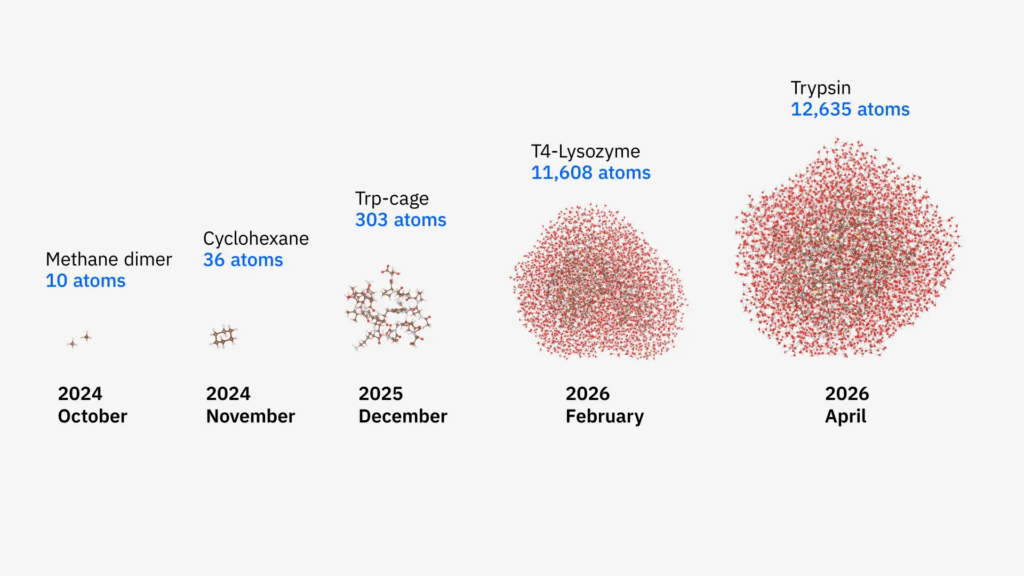
Cleveland Clinic, RIKEN, and IBM Simulate 12,635-Atom Protein Complex
Researchers from Cleveland Clinic, RIKEN, and IBM have successfully simulated a 12,635-atom protein complex using quantum-centric supercomputing, marking a significant advancement in applying quantum hardware to life sciences. This achievement, driven by the EWF-TrimSQD algorithm and utilizing IBM Quantum Heron processors, paves the way for more accurate drug discovery and shorter pharmaceutical development cycles.
-
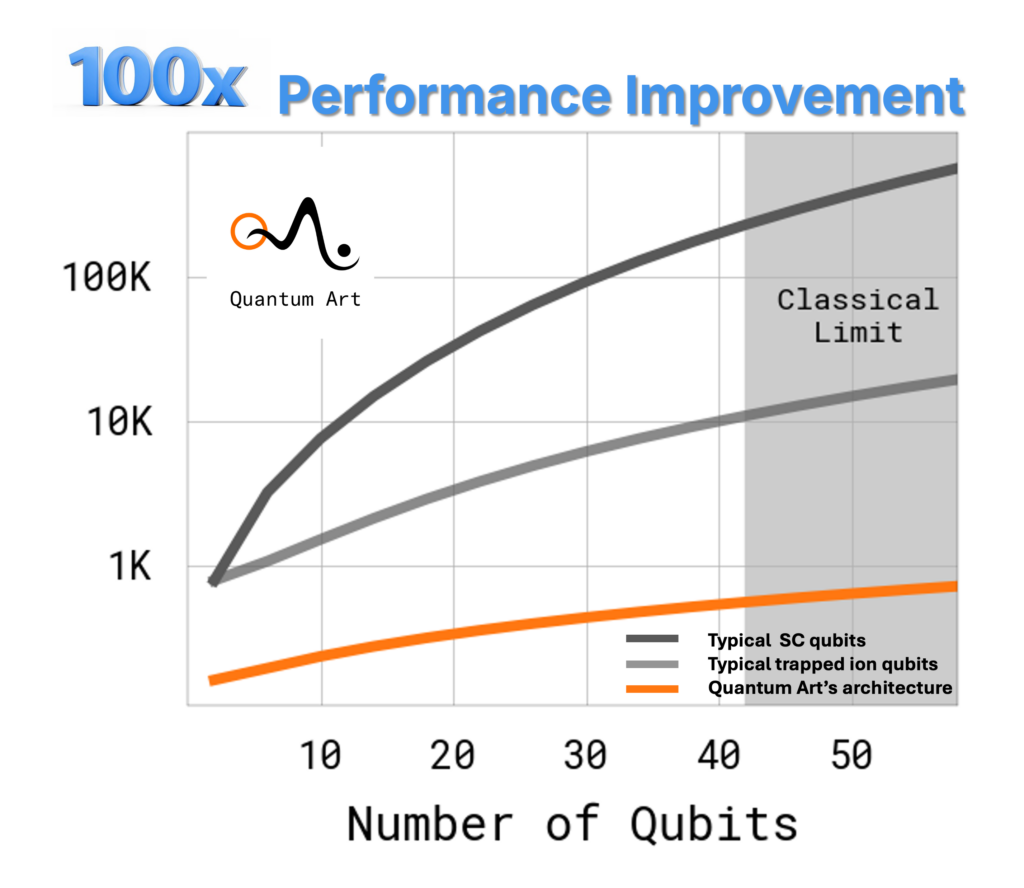
Quantum Art Develops High-Resolution Wave Propagation Algorithm
Quantum Art, in collaboration with an Israeli R&D agency, has developed a quantum algorithm for simulating electromagnetic wave propagation with significantly improved performance compared to classical supercomputers and other quantum platforms. This advancement, achieved using Quantum Art’s trapped-ion architecture, enables high-fidelity simulations over large areas with reduced computational resources, paving the way for applications in communications and engineering.
-
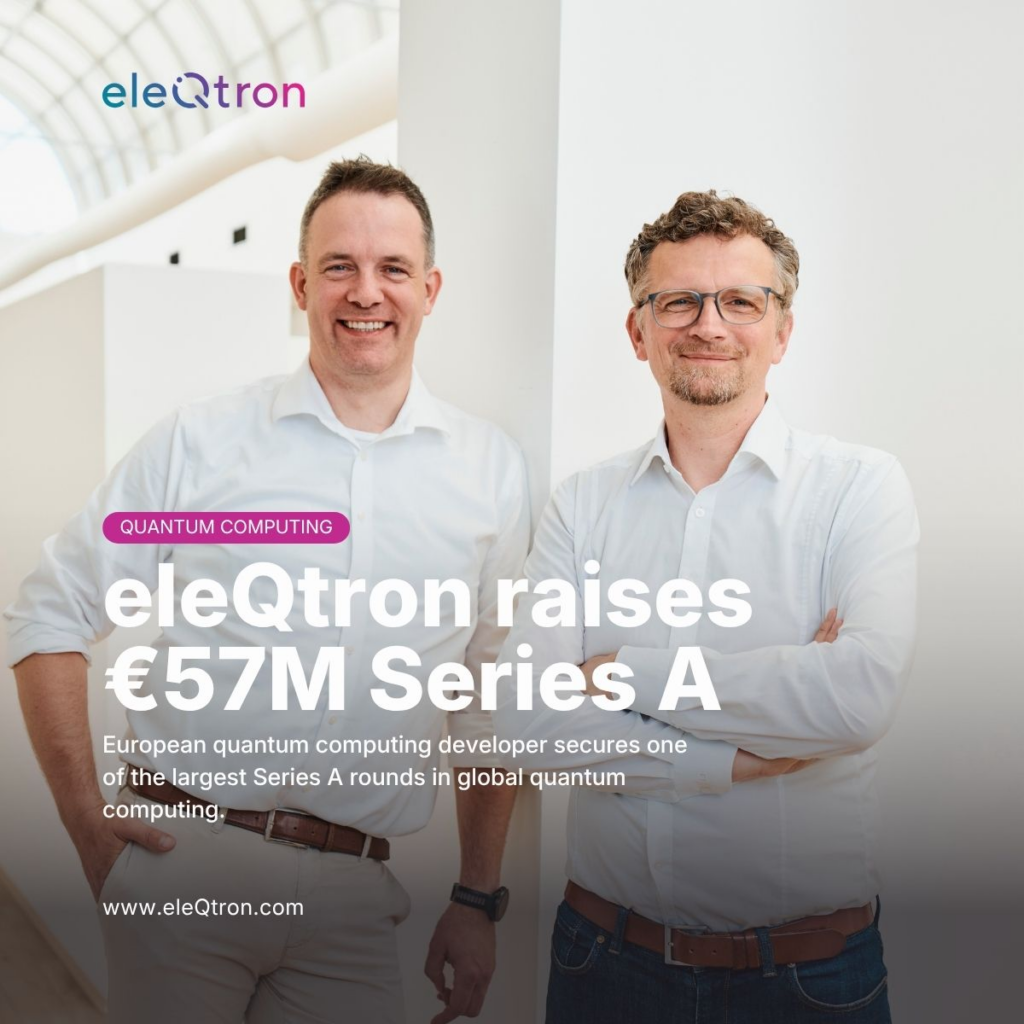
eleQtron Secures €57 Million ($61.5M USD) Series A to Scale MAGIC Trapped-Ion Platform
EleQtron has secured €57 million in Series A funding to scale its MAGIC trapped-ion quantum computing platform, which uses microwave technology for qubit control, and aims to provide cloud-based access and industrial-grade production for solving real-world problems. The funding, led by Schwarz Digits and supported by a strong order backlog, positions eleQtron as a key European player in the quantum computing race, fostering digital sovereignty and quantum-accelerated high-performance computing.
-
QuantWare Secures $178M Series B to Scale VIO™ Architecture and Expand Fabrication Capacity
QuantWare secured a $178M Series B to scale its VIO modular architecture, supporting up to 10,000 qubits, and expand fabrication capacity with KiloFab, the world’s largest dedicated quantum open architecture fab. With backing from Intel Capital and IQT, QuantWare aims to establish a horizontally integrated supply chain for quantum computing, providing QPUs to over 50 customers globally.
-
-
-
Quantum eMotion Launches eShield-Q for Runtime Cryptographic Protection
Quantum eMotion Corp. has launched eShield-Q, a cybersecurity platform providing runtime cryptographic protection against AI and quantum computing threats, using quantum entropy, memory-secure cryptography, and hardened runtime protection. Designed for seamless integration in high-demand environments, eShield-Q protects cryptographic processes even if the operating system is breached.
-
-
-
Maryland Budget Secures Millions to Consolidate “Capital of Quantum” Status
Maryland’s FY 2027 budget allocates tens of millions to its Capital of Quantum initiative, furthering investments in quantum infrastructure, commercialization, and partnerships with companies like IonQ and UMD. These investments aim to establish Maryland as a primary domestic testbed for quantum technology, creating high-skill jobs and addressing global security challenges.
-
TreQ Deploys Open-Architecture Quantum Computing Testbed in Oxfordshire, UK
TreQ has launched an Open-Architecture Quantum (OAQ) Testbed in Oxfordshire, UK, enabling side-by-side evaluation of different quantum technologies through a modular, software-reconfigurable design. The testbed integrates components from multiple vendors and promotes an open-source interface to reduce vendor lock-in and accelerate the commercialization of quantum applications.
-
Qruise and Quantum Machines Automate 21-Qubit QPU Bring-Up at IQCC
QruiseOS automated the calibration of a 21-qubit QPU at IQCC using Quantum Machines’ OPX1000, reducing bring-up time to 15 minutes. This integration showcases the importance of quantum-classical stacks and Digital Twins for system stability, paving the way for scalable quantum operations.
-
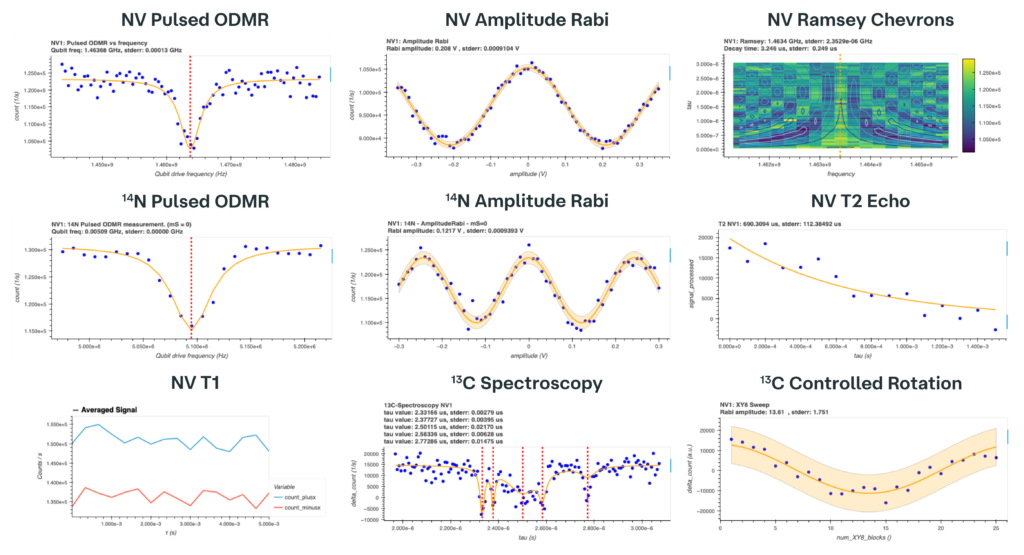
Qruise and Goethe University Frankfurt Automate NV-Center QPU Bring-Up
Qruise, XeedQ, and Goethe University Frankfurt have collaborated to automate the calibration and control of NV-center quantum systems using QruiseOS, achieving high single-qubit gate fidelities on XeedQ’s 5-qubit QPU. This partnership aims to simplify the use of NV-center devices in HPC environments and lower barriers for research and education.
-
Quantum Science Center Researchers Demonstrate First Digital Quantum Simulation of Spin Transport
Quantum Science Center researchers have achieved the first digital quantum simulation of spin transport in Heisenberg chains, using a novel mid-circuit measurement algorithm on a 40-qubit IBM Heron processor to model ballistic, diffusive, and superdiffusive transport regimes. This breakthrough provides a programmable toolset for materials science and spintronic device development, validated against experimental data and poised for scaling to more complex quantum systems.
-